
The demand for Low Pressure Screw Compressors is rising globally. According to a recent market report, the sector is expected to witness a growth rate of around 5.7% annually from 2023 to 2028. This growth is largely driven by industrial advancements and the need for energy-efficient solutions. Many industries, including food and beverage, pharmaceuticals, and automotive, rely on these compressors for their operations.
Low Pressure Screw Compressors provide reliable and cost-effective performance. Their efficiency in handling lower pressure applications makes them ideal for various uses. However, buyers often face challenges in selecting the best model that suits their needs. Each compressor has unique features, advantages, and potential drawbacks that demand careful consideration.
Investing in the right Low Pressure Screw Compressor can lead to significant operational savings. It’s crucial for buyers to compare models, look at professional reviews, and consider long-term maintenance costs. Industry professionals emphasize the importance of these factors. They urge buyers to conduct thorough research and possibly seek expert consultation before making a decision.
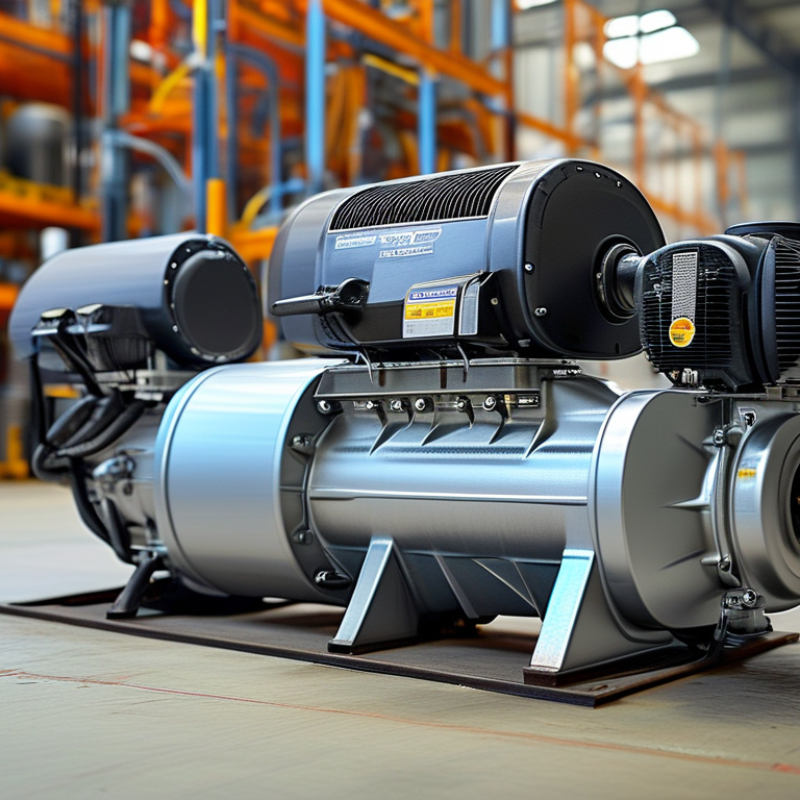
The global market for low pressure screw compressors is expanding rapidly. According to a recent report by MarketsandMarkets, the market size is projected to reach $1.5 billion by 2026. The growth rate is expected to be around 5.2% per year. This segment is highly valued for its efficiency and cost-effectiveness in various industries.
Several factors drive this market growth. Industries such as textiles, food processing, and chemicals increasingly require reliable compressed air solutions. The demand for energy-efficient equipment is paramount. These compressors often operate at lower decibel levels, making them suitable for environments where noise reduction is crucial.
**Tips:** When evaluating options, consider energy efficiency first. Look for models that provide lower energy costs over their lifespan. It's also essential to analyze the maintenance requirements of different compressors. Some models may require more frequent upkeep, which can increase long-term expenses.
While there are abundant choices, buyers must navigate varying quality levels. Not all manufacturers meet international standards. Consumers should conduct thorough research and engage with industry experts to ensure they make informed decisions. This proactive approach can prevent costly mistakes.
: The market size is expected to reach $1.5 billion by 2026.
Industries like textiles and food processing need reliable and energy-efficient compressed air solutions.
Energy-efficient models lower operational costs over time and comply with rising energy standards.
Low decibel compressors are ideal for environments where noise reduction is crucial, like restaurants and hospitals.
Some models require frequent upkeep, potentially increasing long-term costs. Evaluate all options carefully.
They reveal operational inefficiencies and guide buyers in choosing the right compressor for their needs.
Buyers may overlook total ownership costs, focusing only on the initial investment.
A neglected compressor can waste energy, leading to higher bills and reduced performance.
Conduct thorough research and consult industry experts to avoid costly mistakes associated with low-quality products.
These compressors support automation efforts by enhancing energy efficiency, leading to significant cost savings.
The article "2026 Best Low Pressure Screw Compressor for Global Buyers" provides an insightful overview of the low pressure screw compressor market, detailing key specifications and features that define these essential machines. It draws attention to their versatility in various applications and outlines the critical factors buyers should consider when evaluating options in the global market.
Additionally, the article compares leading models within the low pressure segment, highlighting their performance capabilities and technological advancements. Market trends indicate a growing demand for energy-efficient solutions, influenced by stringent energy efficiency standards, which are shaping consumer preferences. This shift underscores the importance of selecting a low pressure screw compressor that meets both operational needs and sustainability benchmarks.
