
The Oil Less Screw Air Compressor is a significant advancement in compressed air technology. According to a report from the International Compressor Association, the demand for oil-free compressors is expected to rise by 15% annually. This growth highlights a shift toward cleaner and more efficient solutions in industrial applications. Experts like Dr. Emily Ross, a renowned figure in compressed air systems, stated, "Embracing oil-free technology can drastically improve operational efficiency and reduce maintenance costs."
The benefits of the Oil Less Screw Air Compressor extend beyond performance. They produce cleaner air, which is critical for industries like food and pharmaceuticals. Moreover, these compressors operate quietly, making them suitable for sensitive environments. Yet, some users may struggle with initial costs. Understanding long-term savings is vital. As companies focus on sustainability, the oil-free option plays a crucial role. It's essential to weigh both the advantages and hurdles when considering a switch to an oil-free system.
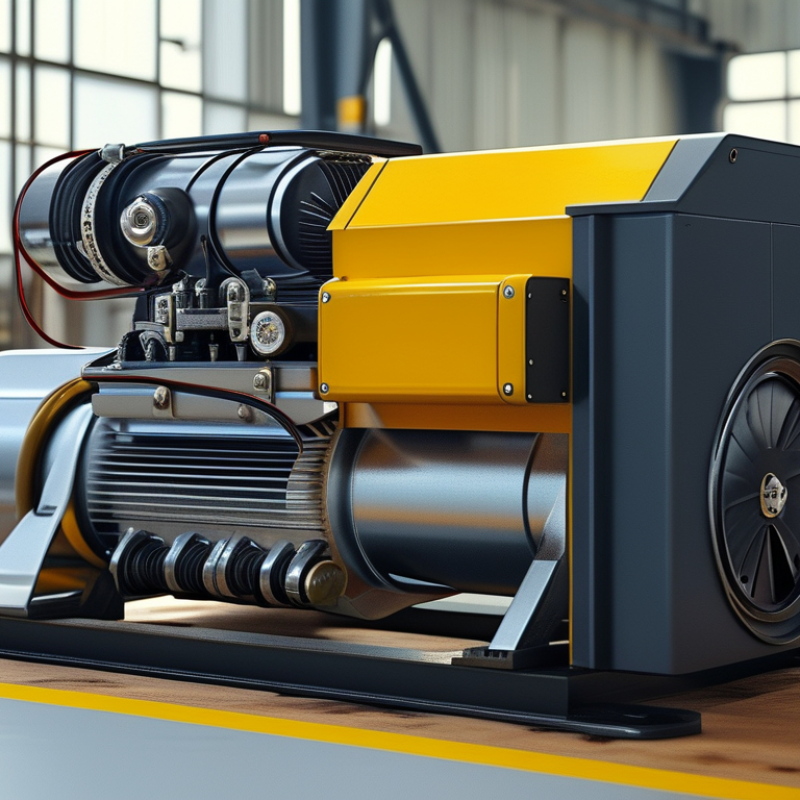
Oil less screw air compressors offer a unique design that separates them from traditional models. Instead of relying on oil for lubrication, these compressors function using air and advanced materials. This means they eliminate the risk of contamination in sensitive processes. According to a report from the International Journal of Scientific Research, oil-free compressors account for 30% of the market due to their increasing demand for clean air applications.
One significant benefit of oil less screw air compressors is their reduced maintenance needs. With no oil to change or filters to replace, operational costs are lower. This has been corroborated by data from the Air Compression Market Analysis, which suggests that businesses can save up to 25% on maintenance expenses. However, some users might find the initial investment higher. It’s essential to consider long-term savings when evaluating their value.
Tip: Regularly check air quality parameters to ensure optimal performance. Additionally, ensure proper installation to prevent premature wear on components. Oil less compressors are versatile, finding applications in various industries, such as pharmaceuticals and food processing. Higher efficiency rates enable less energy consumption. However, users must remain aware of potential issues related to heat generation in these systems.
| Feature | Description | Benefits |
|---|---|---|
| Oil-Free Operation | Operates without lubricating oil, using a unique design. | Reduces contamination risk in sensitive applications. |
| Low Maintenance | Fewer moving parts compared to oil-lubricated compressors. | Lowers operational costs and downtime. |
| Energy Efficiency | Designed to minimize energy consumption while providing optimal performance. | Reduces electricity costs in the long run. |
| Compact Design | Space-saving design allows for easier installation in confined areas. | Maximizes available space in workshops and manufacturing plants. |
| Quiet Operation | Engineered for quieter performance compared to traditional compressors. | Improves workplace comfort and reduces noise pollution. |
: They are compressors that use air and advanced materials instead of oil for lubrication.
They require low maintenance due to no oil changes or filter replacements.
They can reduce maintenance expenses by up to 25%, leading to long-term savings.
Clean air is essential in food processing and pharmaceuticals to ensure product safety and quality.
They are used in food processing, pharmaceuticals, and electronics manufacturing.
Initial costs may be higher, and they might underperform in extreme conditions.
They often feature robust designs but may not last as long in demanding environments.
It’s vital to monitor air quality parameters for optimal performance.
No, evaluating specific needs is crucial for achieving the best results.
Consider both immediate and long-term impacts on operations and costs.
An Oil Less Screw Air Compressor is a specialized type of compressor that operates without the use of oil, ensuring a clean and efficient air supply. Key components include the screw element, drive motor, and control systems, all working together to compress air effectively. The operation relies on the principle of screw technology, where two helical screws rotate to compress air, minimizing wear and eliminating the need for lubrication.
The major benefits of using Oil Less Screw Air Compressors include reduced maintenance costs, lower risk of contamination, and enhanced energy efficiency. These compressors are particularly advantageous in industries such as food and beverage, pharmaceuticals, and electronics, where compressed air quality is critical. By adopting Oil Less technology, businesses can enjoy a reliable, clean, and efficient air supply while promoting a sustainable operation.
