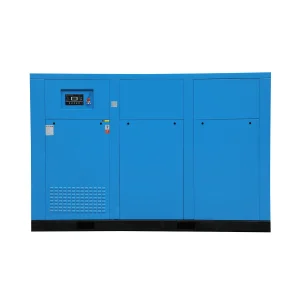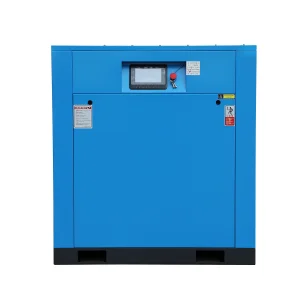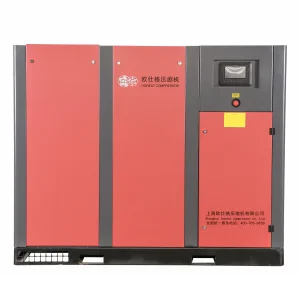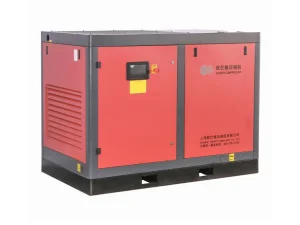
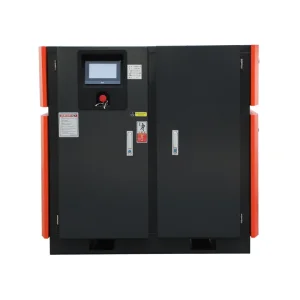
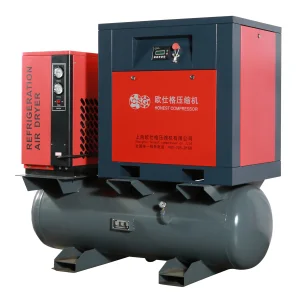

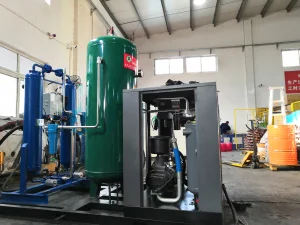
Modern industrial aerodynamics mandates a paradigm shift from traditional displacement technologies to high-efficiency rotary screw systems. As global manufacturing environments transition toward zero-carbon and low-energy thresholds, the search intent of global procurement engineers centers on mechanical reliability, thermal efficiency, and long-term operating costs. Twin-screw compressors stand at the interface of mechanical precision and thermal dynamics, presenting the optimal solution for continuous duty cycles across diverse modern sectors.
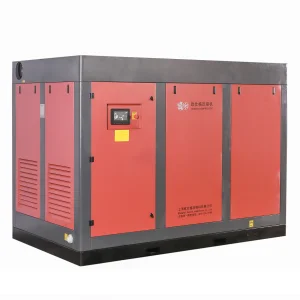
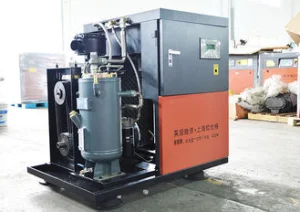
A twin-screw compressor functions via two intermeshing helical rotors (known as the male and female rotors) within a precisely machined housing. As these rotors rotate, the volume between them and the casing decreases, compressing the trapped air or gas. The profile geometry, specifically the 5:6 asymmetrical profile, reduces internal blow-by and optimizes volumetric efficiency compared to older 4:6 designs. By maximizing the compression chamber length and minimizing the blow-hole size, twin-screw designs maintain an exceptionally high pressure ratio in a single stage, ensuring uniform discharge and minimal pressure pulsation.
The integration of Variable Frequency Drives (VFD) and Permanent Magnet (PM) synchronous motors represents the most significant advance in recent compressor engineering. Under varying demand patterns, a fixed-speed compressor frequently cycles between load and unload states, wasting significant energy in the process. VFD-controlled systems adjust the motor speed to precisely match real-time demand, stabilizing system pressure within ±0.01 MPa.
Permanent magnet motors eliminate rotor slip losses, offering elevated efficiency levels that meet and exceed IE4 and IE5 standards. When combined with integrated two-stage compression systems, these technologies optimize energy conservation and prevent voltage spikes during startup, lowering wear and tear on the electrical grid.
Dynamically alters rotational velocity based on air usage, preventing energy waste during low-load intervals.
Eliminates electromagnetic rotor losses, retaining high efficiency even at half-load or lower speeds.
Prevents water accumulation inside the compression stage through automated oil-temperature cycle loops.
Twin-screw compressors are adapted to the requirements of localized markets and regional environmental regulations:
China's industrial manufacturing ecosystem offers unique structural advantages for twin-screw compressor supply chains. Key components, from heavy iron castings and precision rotor grinding (typically using German-designed CNC machinery) to electrical controls and pressure vessels, are produced within integrated regional hubs. This concentration minimizes lead times and facilitates rigorous quality control at every stage. In addition, economies of scale allow Chinese factories to integrate premium international components, such as SKF bearings and Schneider electric controllers, while maintaining competitive pricing for global export.
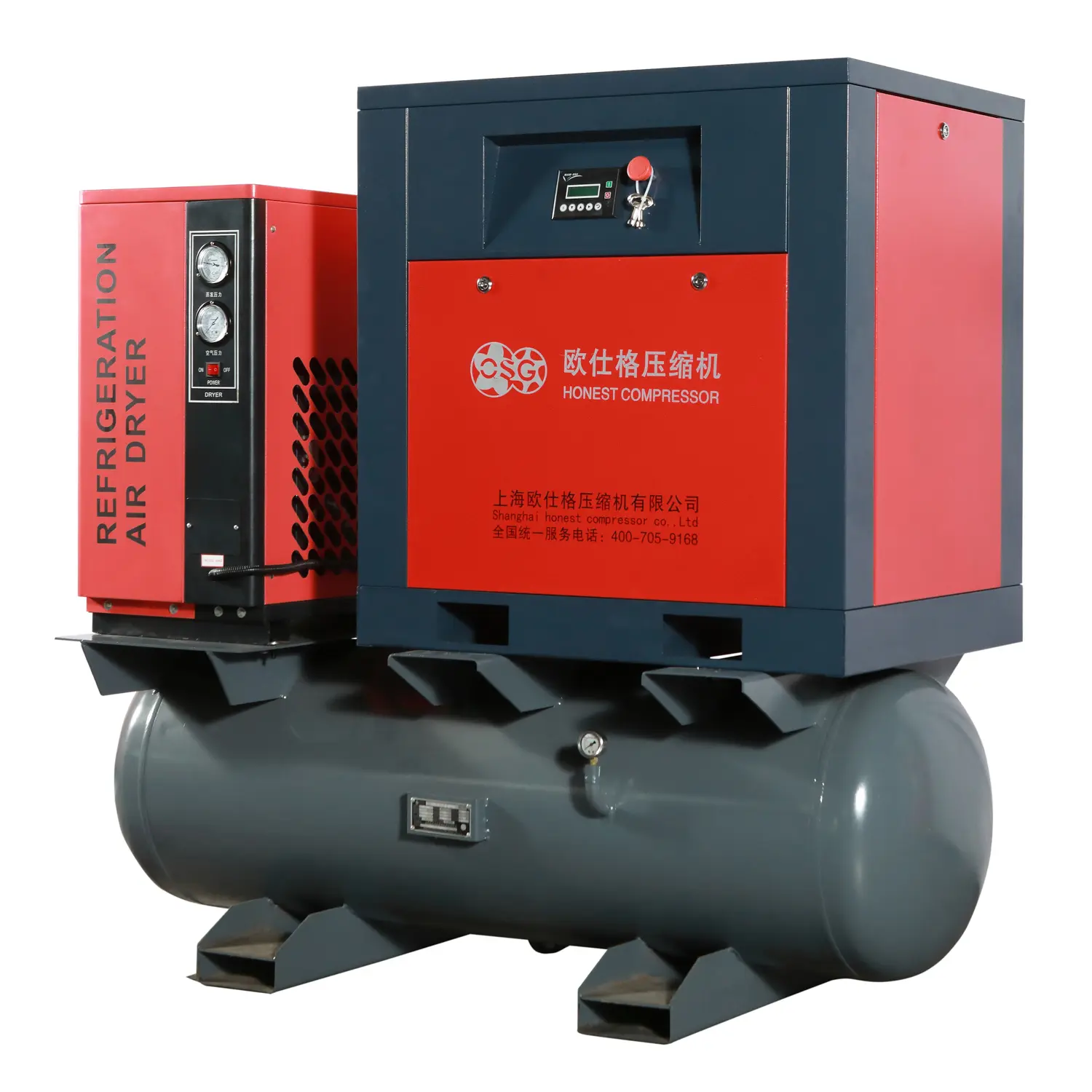
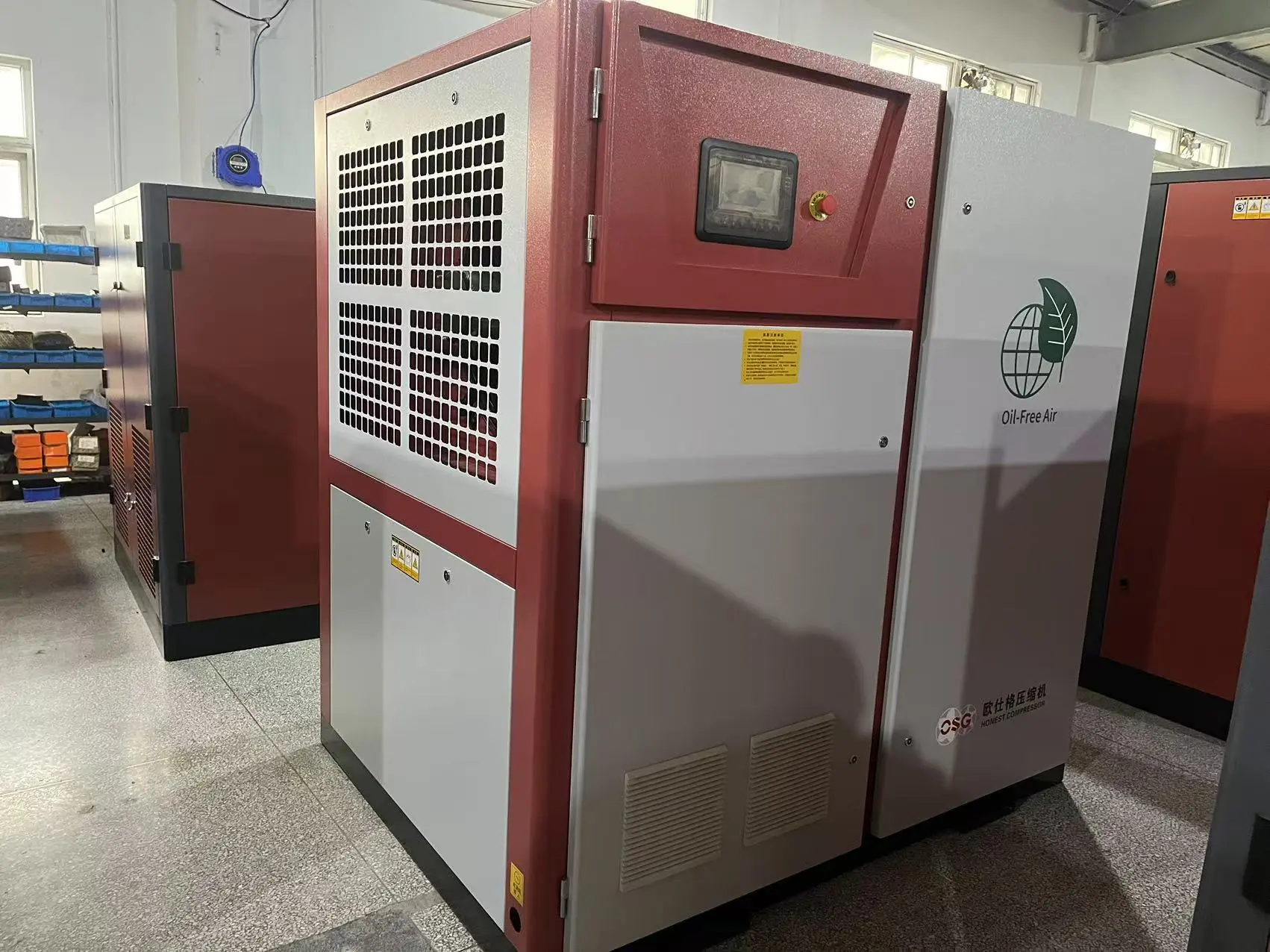
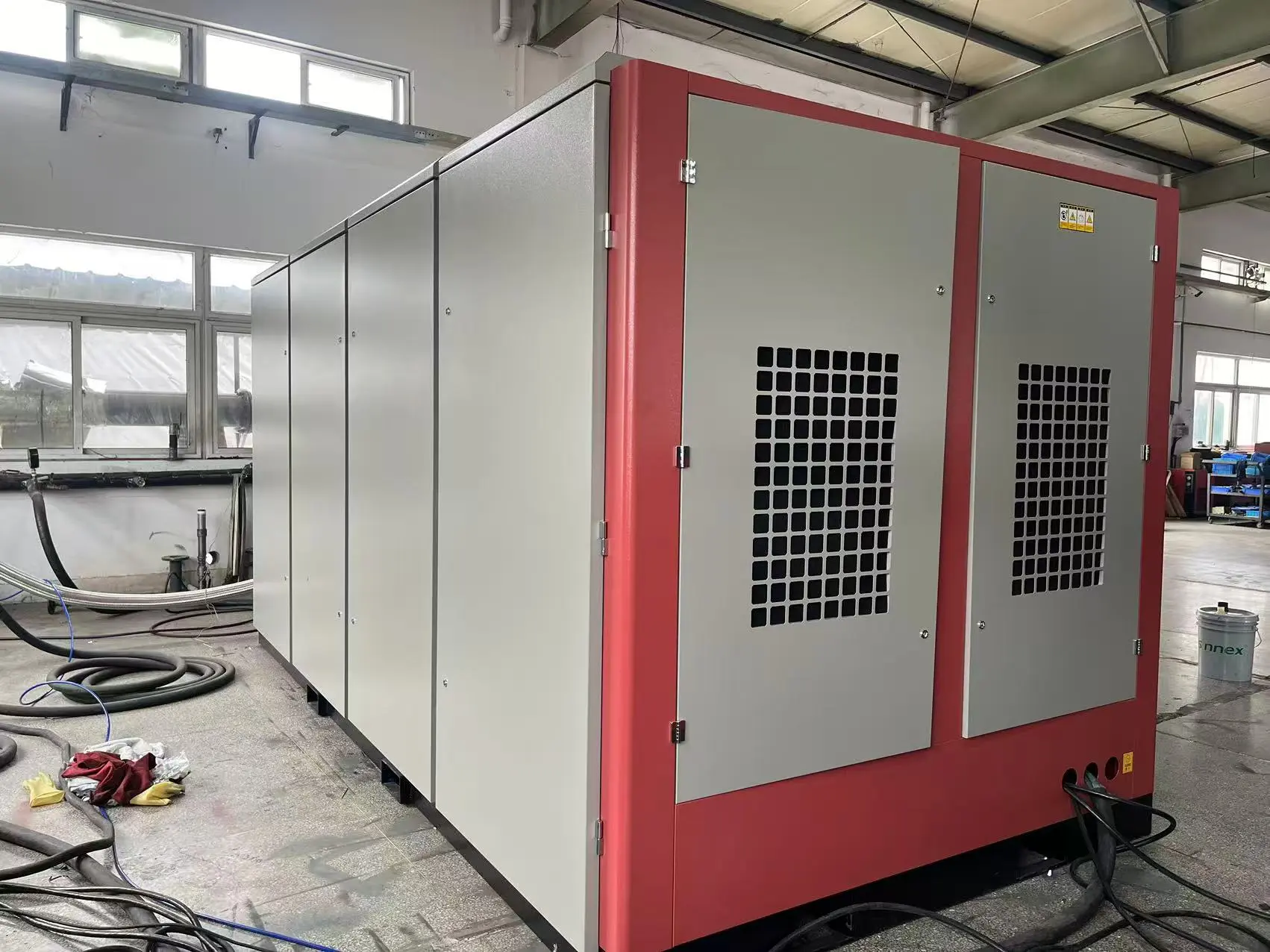
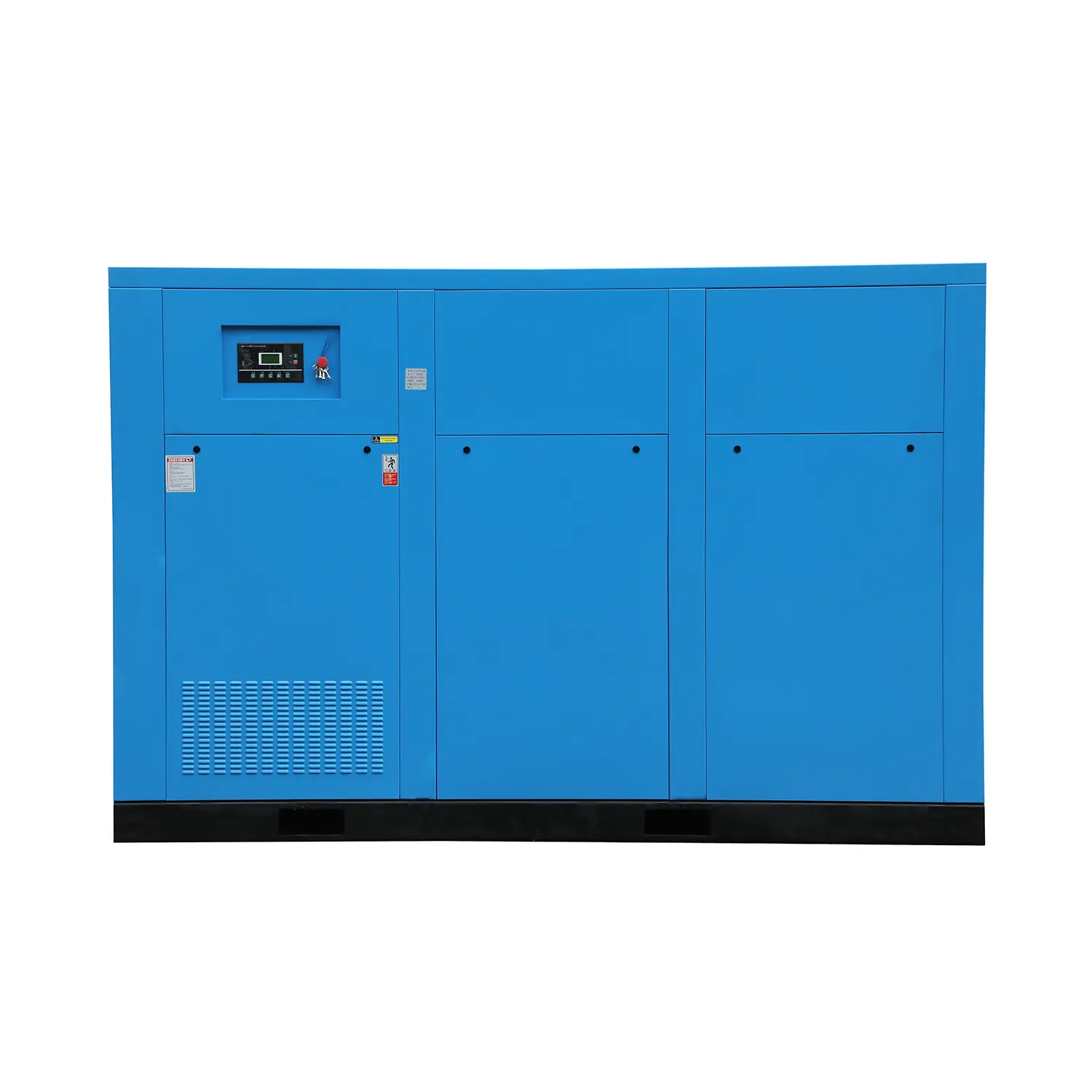
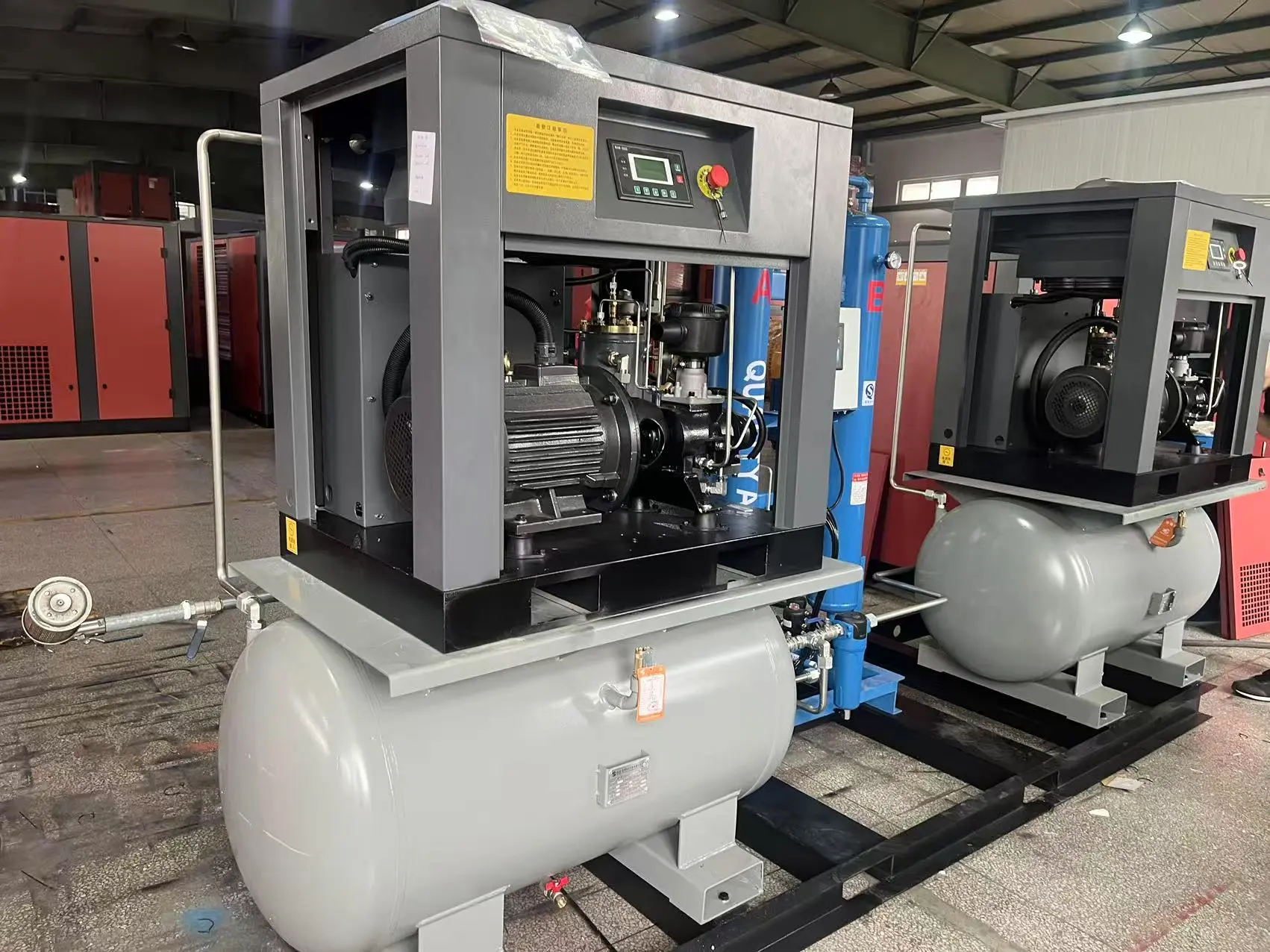
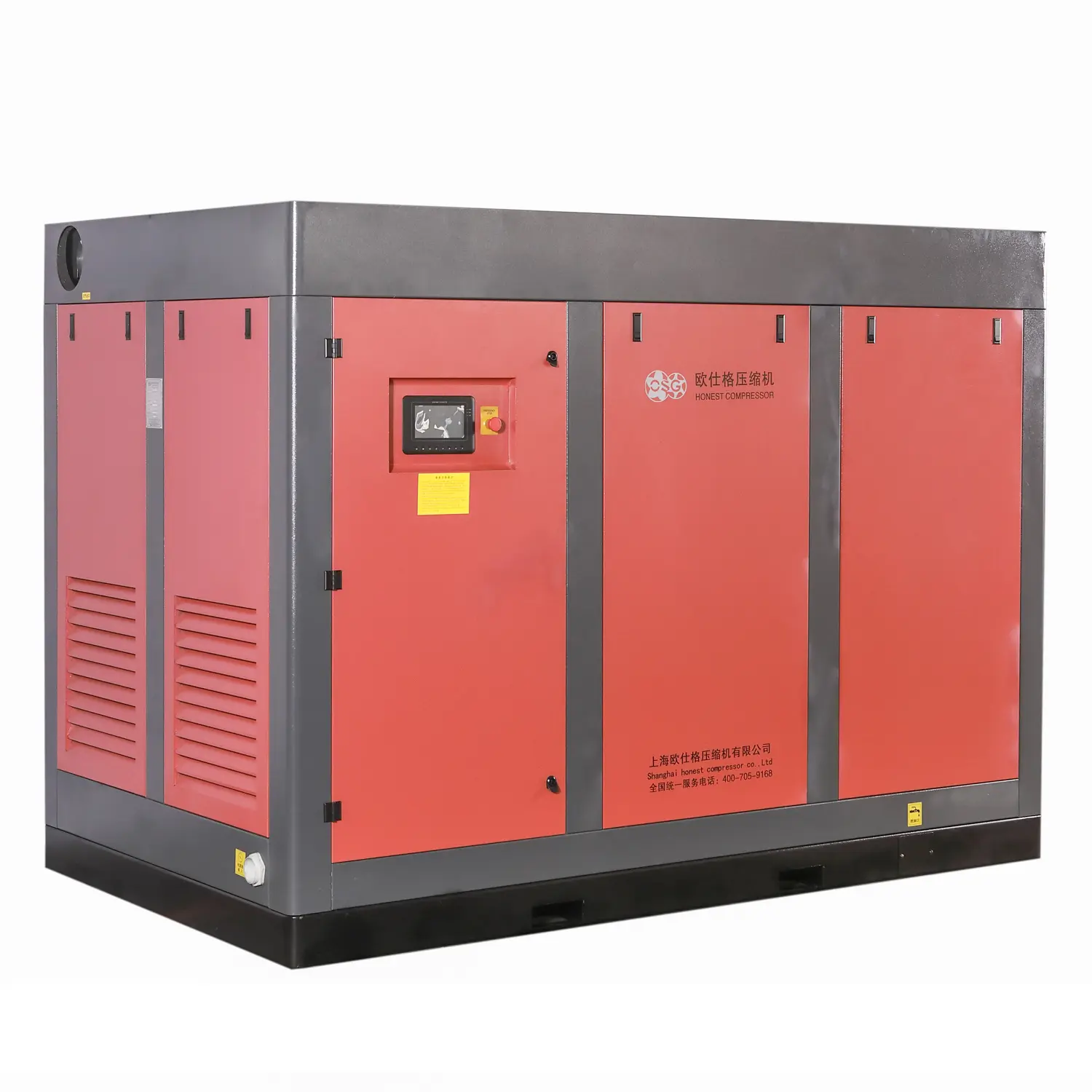
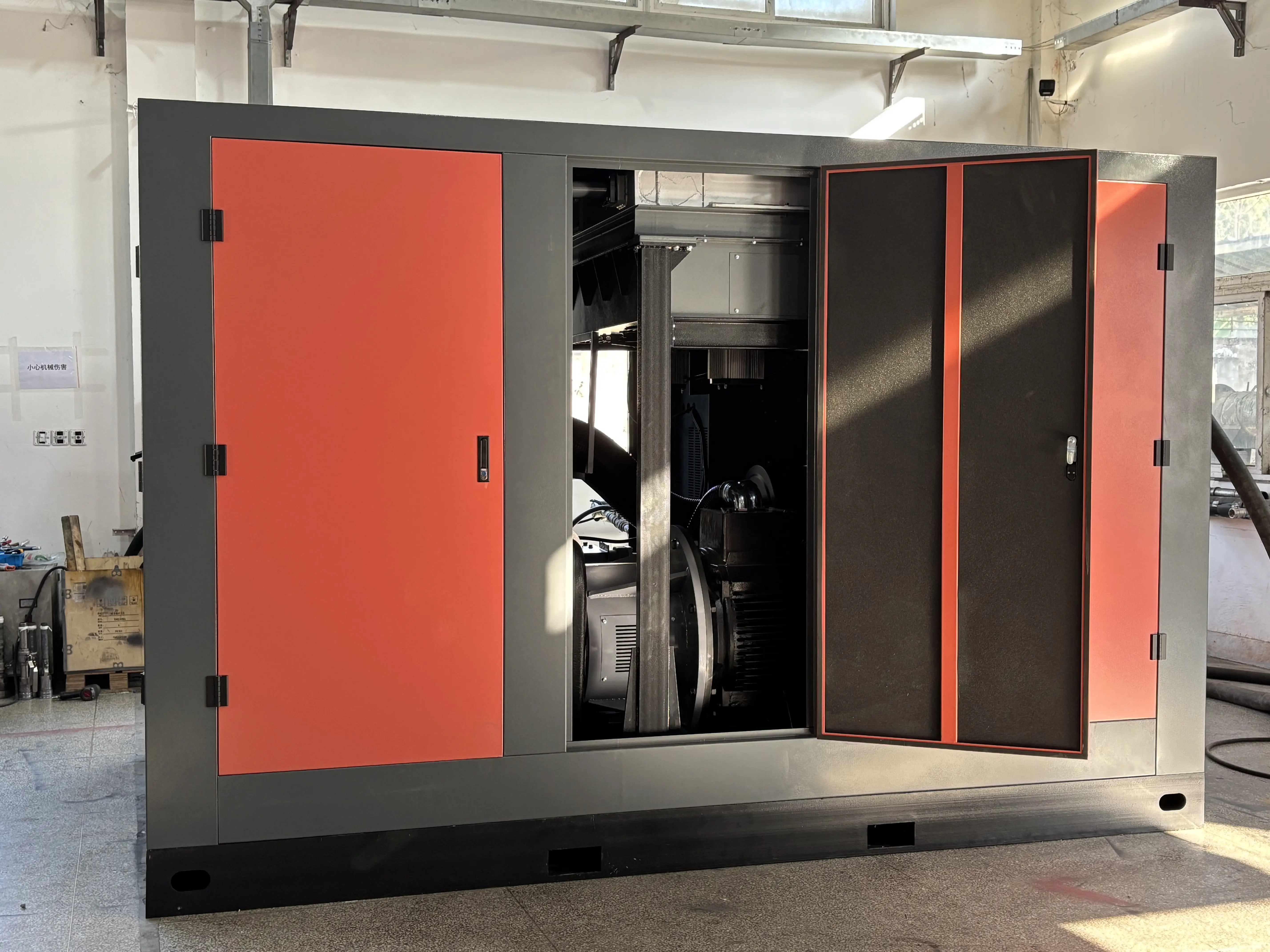
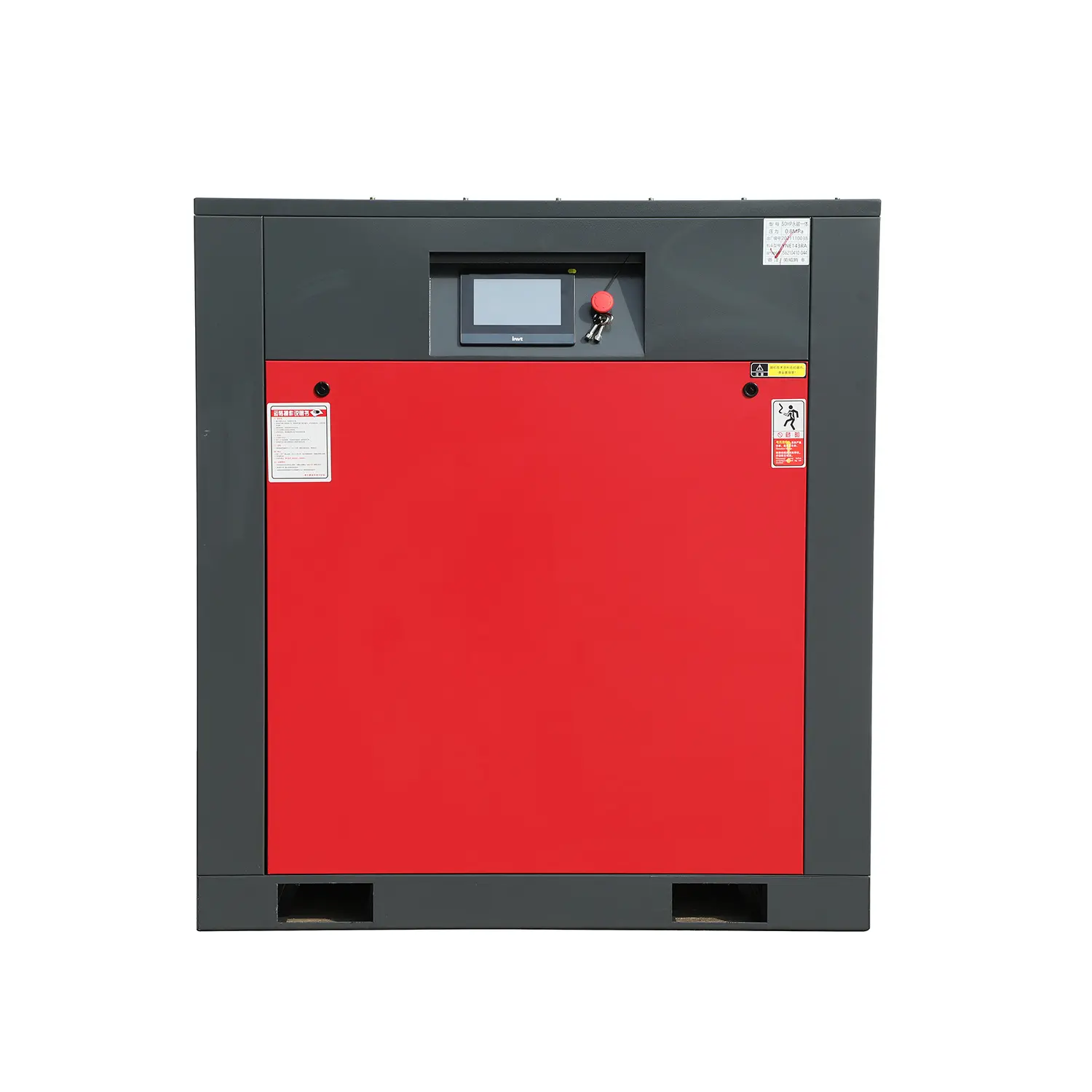
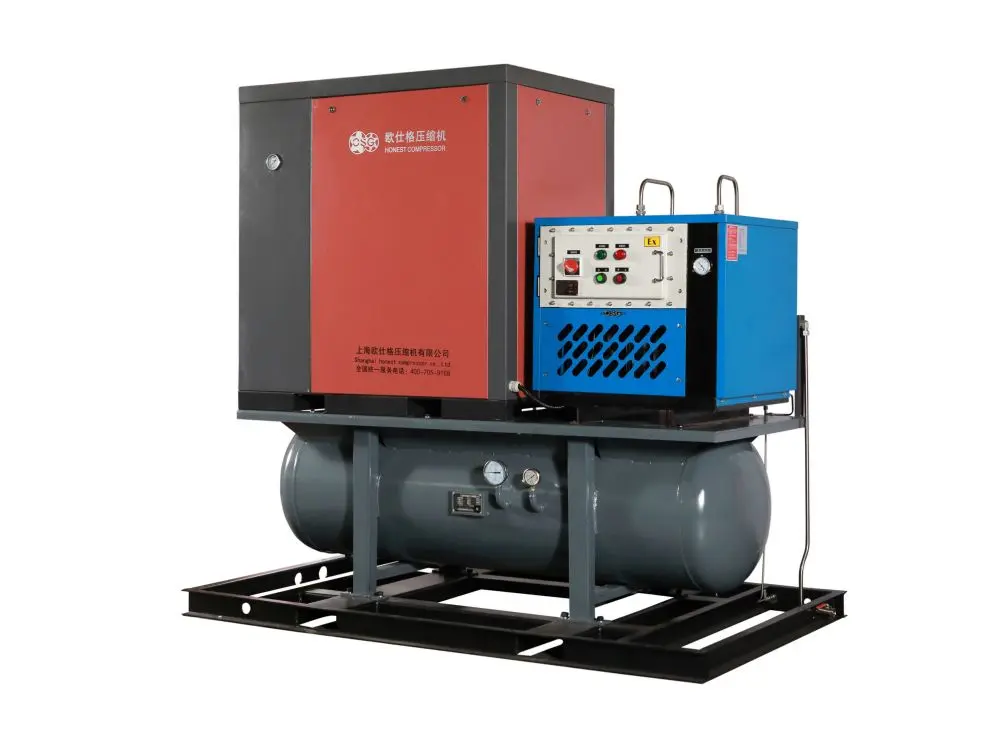
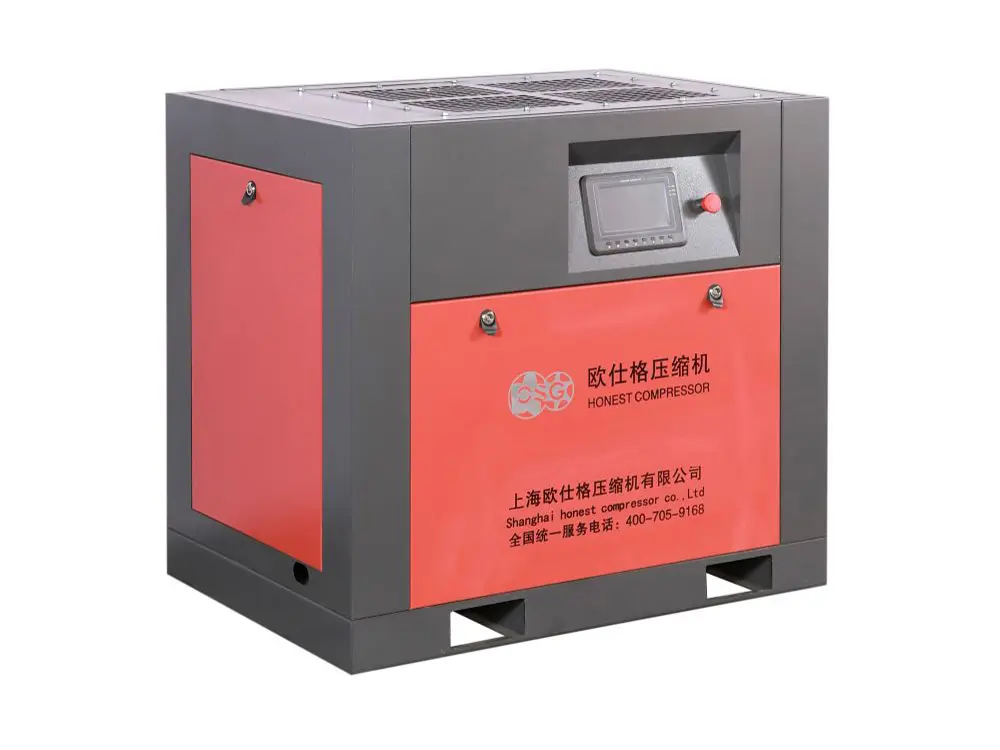
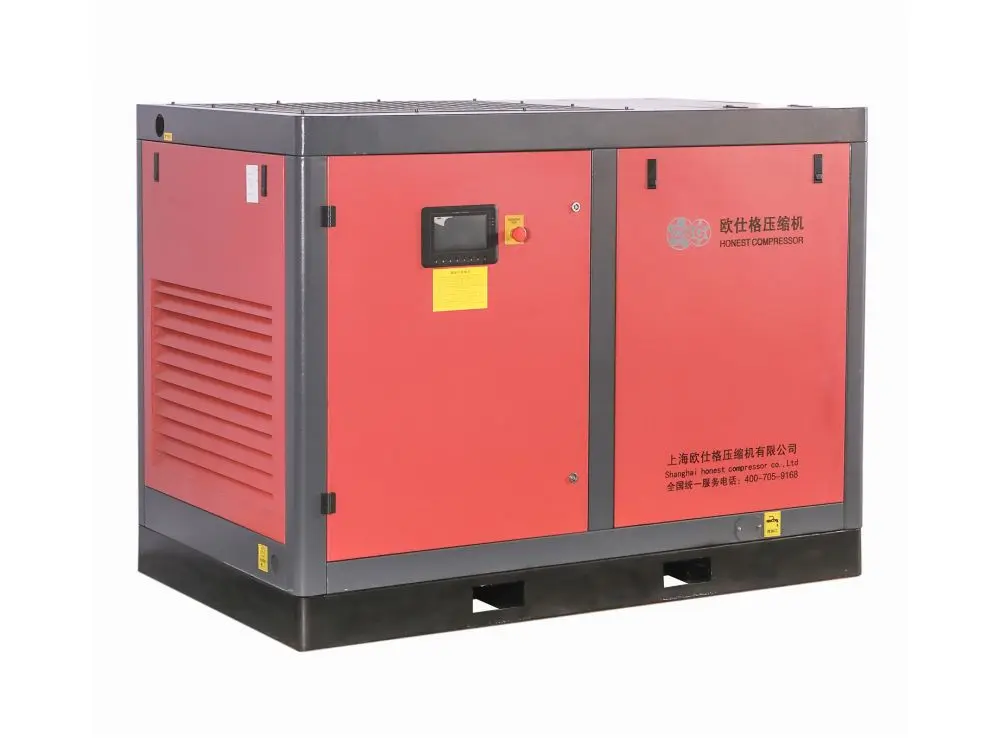
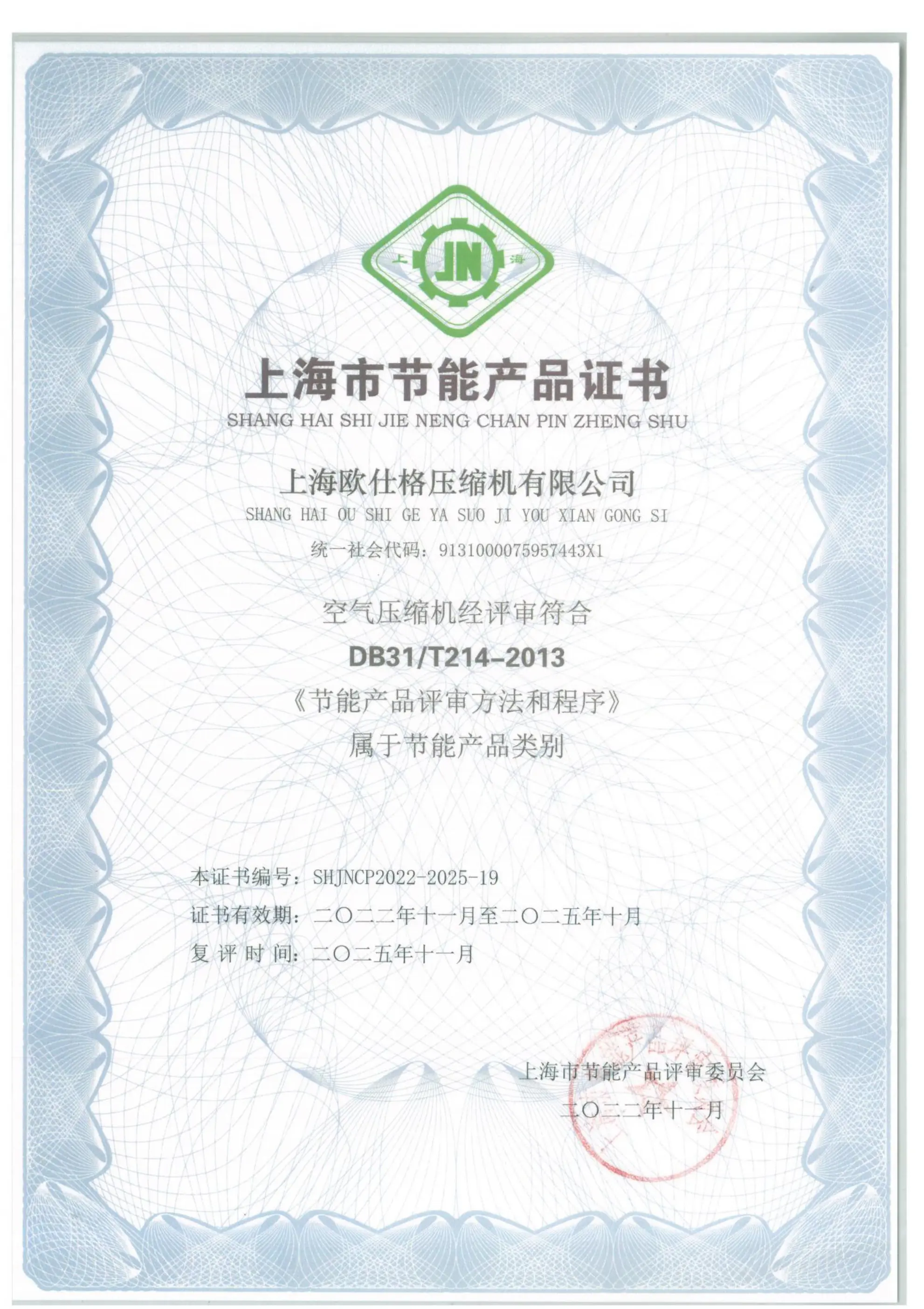
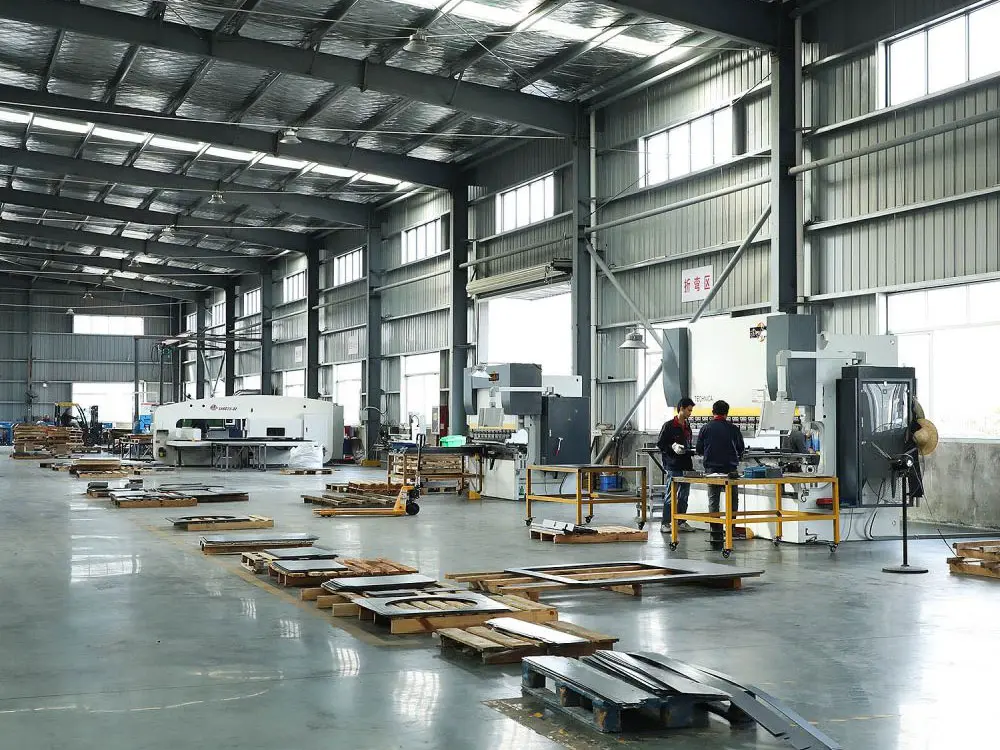
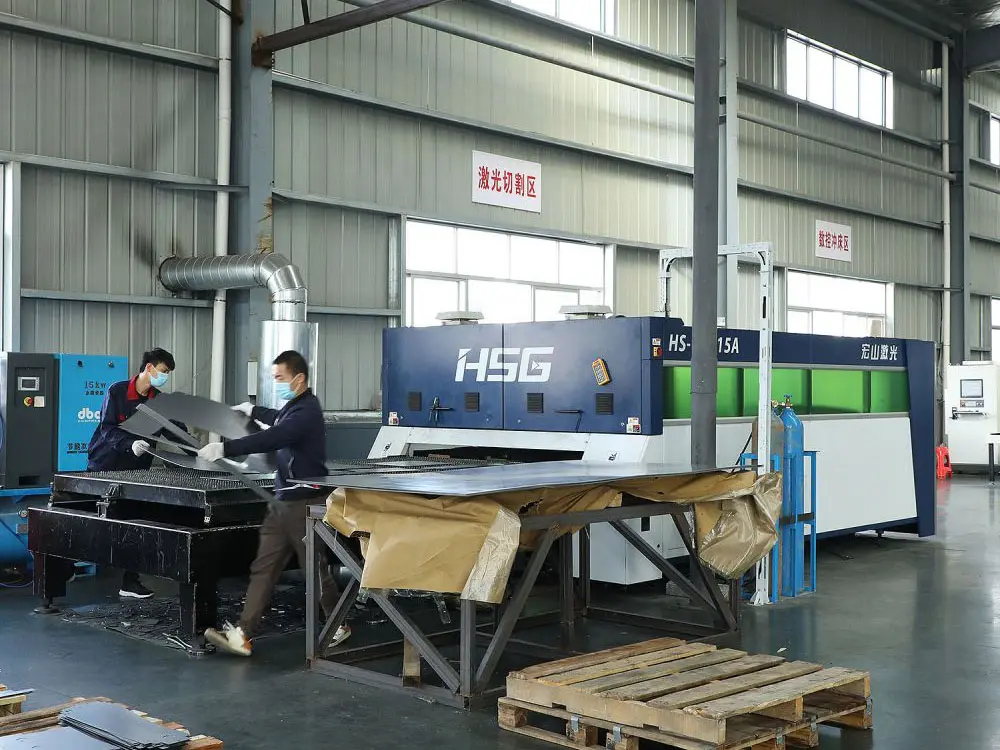
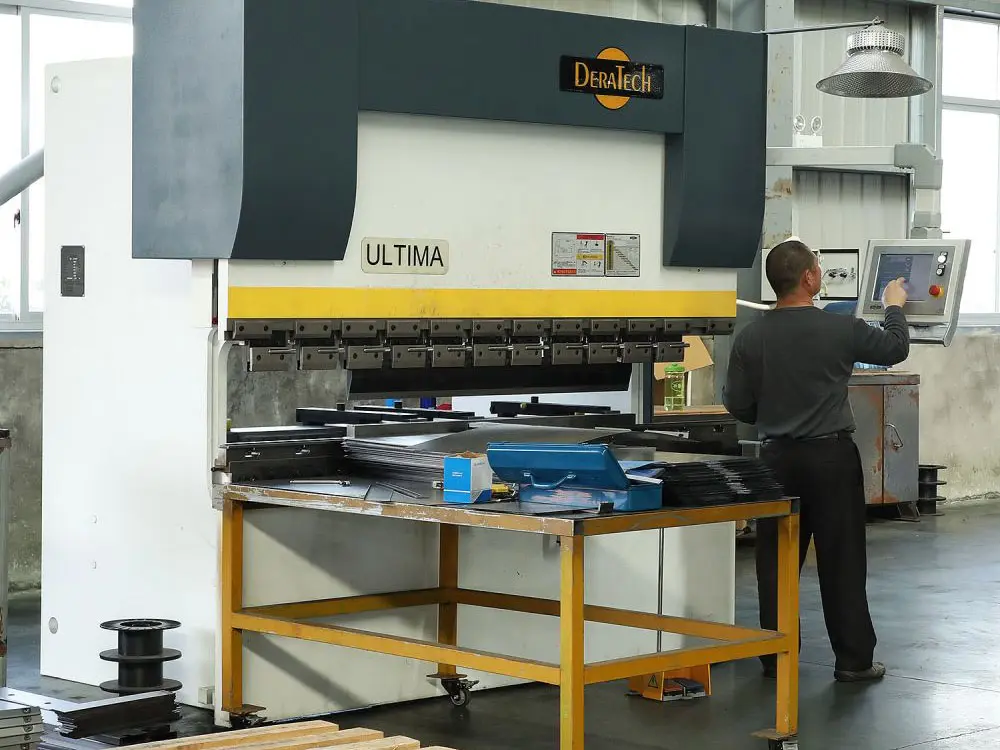
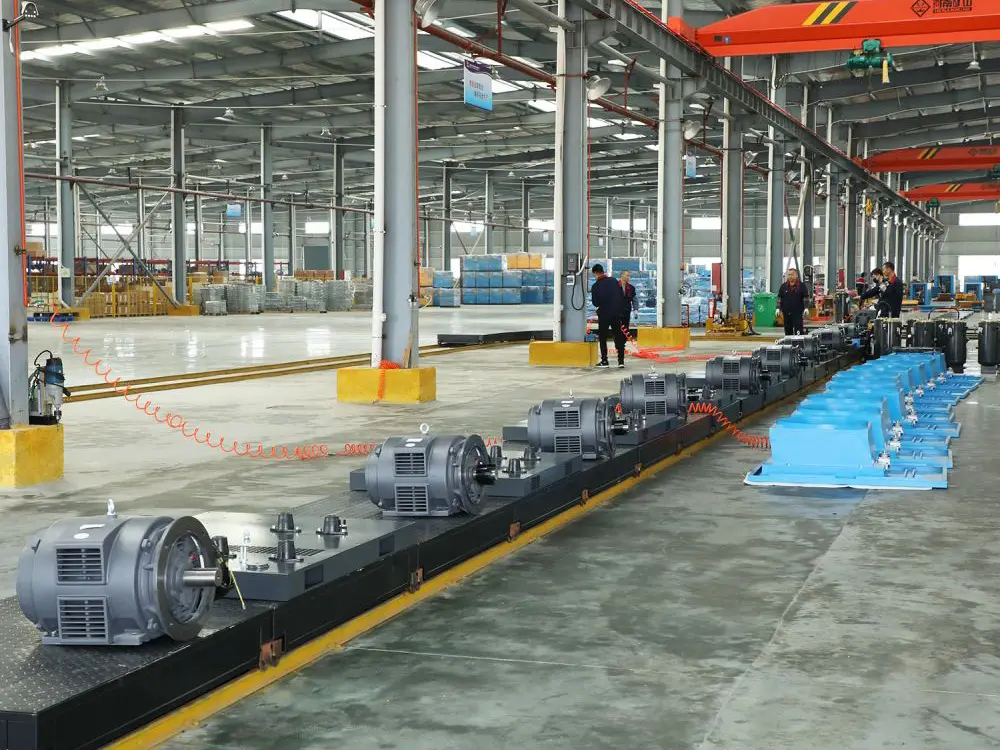
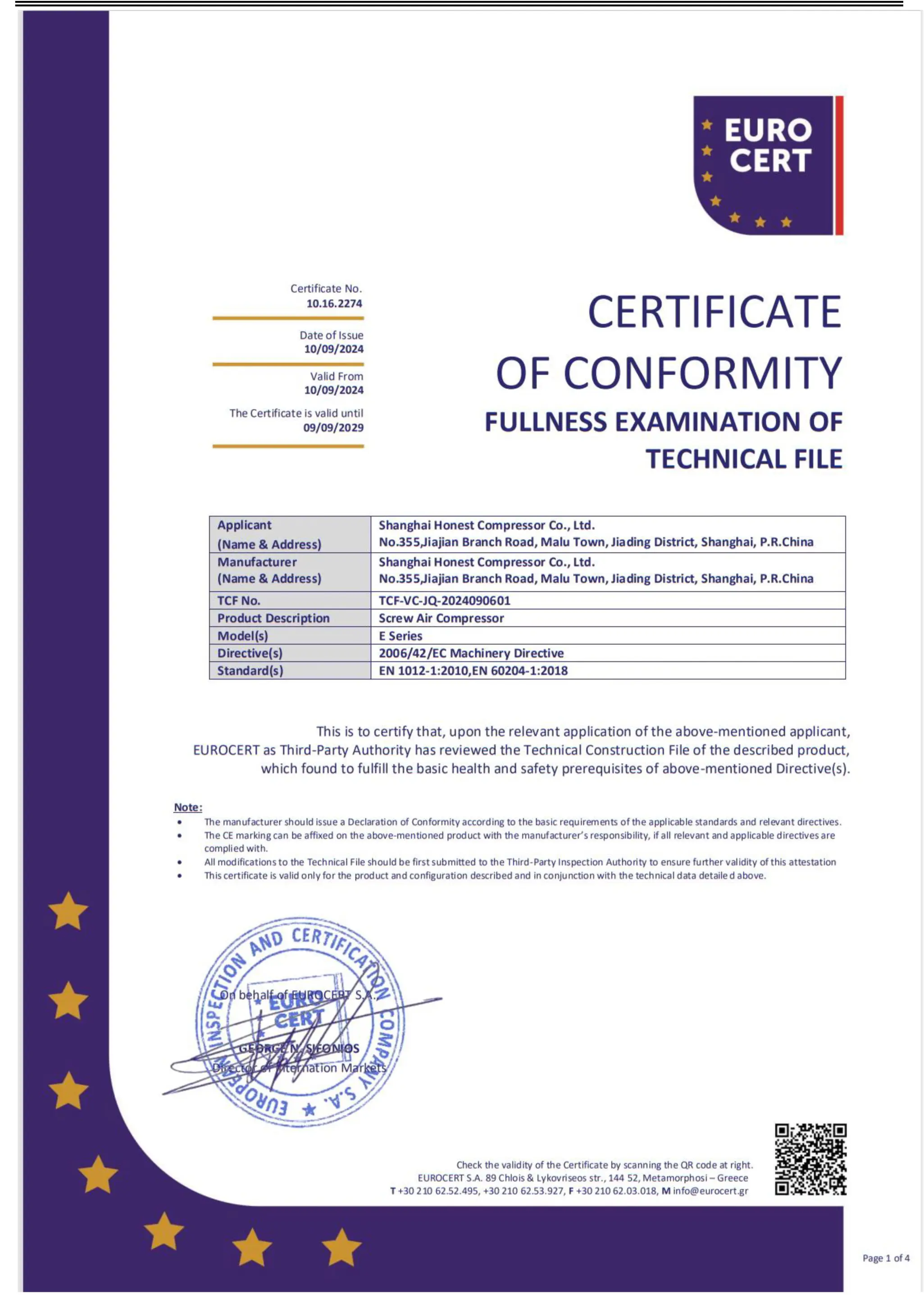
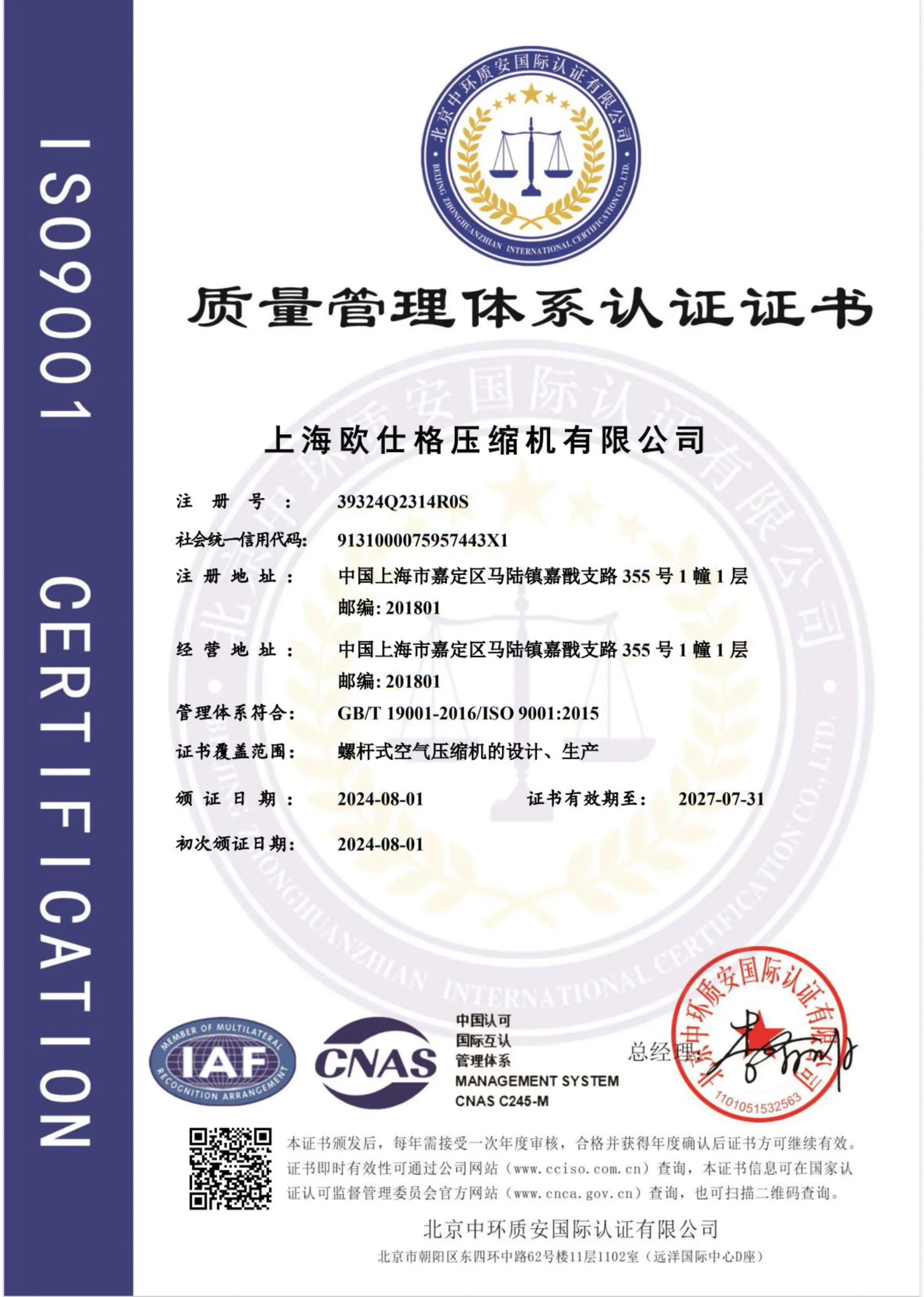
Shanghai Honest Compressor Co., Ltd. is a British-owned enterprise founded in early 2004. The production facility is located at NO. 355 Jiajian Branch Road, Malu Town, Jiading District, Shanghai, China. It is a large-scale manufacturing enterprise specializing in the production of twin-screw air compressors in China. Simultaneously, it serves as an important supplier of air system solutions globally.
We provide a comprehensive range of piston air compressors (low, medium, and high pressure, including oil-free models) and advanced screw air compressor systems (ranging from 3KW to 480KW). Our portfolio includes gas separation equipment, refrigerant compressors, cold dryers, filters, ceramic membrane filtration systems, and various replacement parts and consumables.
With an international engineering background, our design principles integrate modern acoustic silencing, optimal thermodynamic pathways, and heavy-duty structural integrity, ensuring reliable performance in harsh environment conditions.
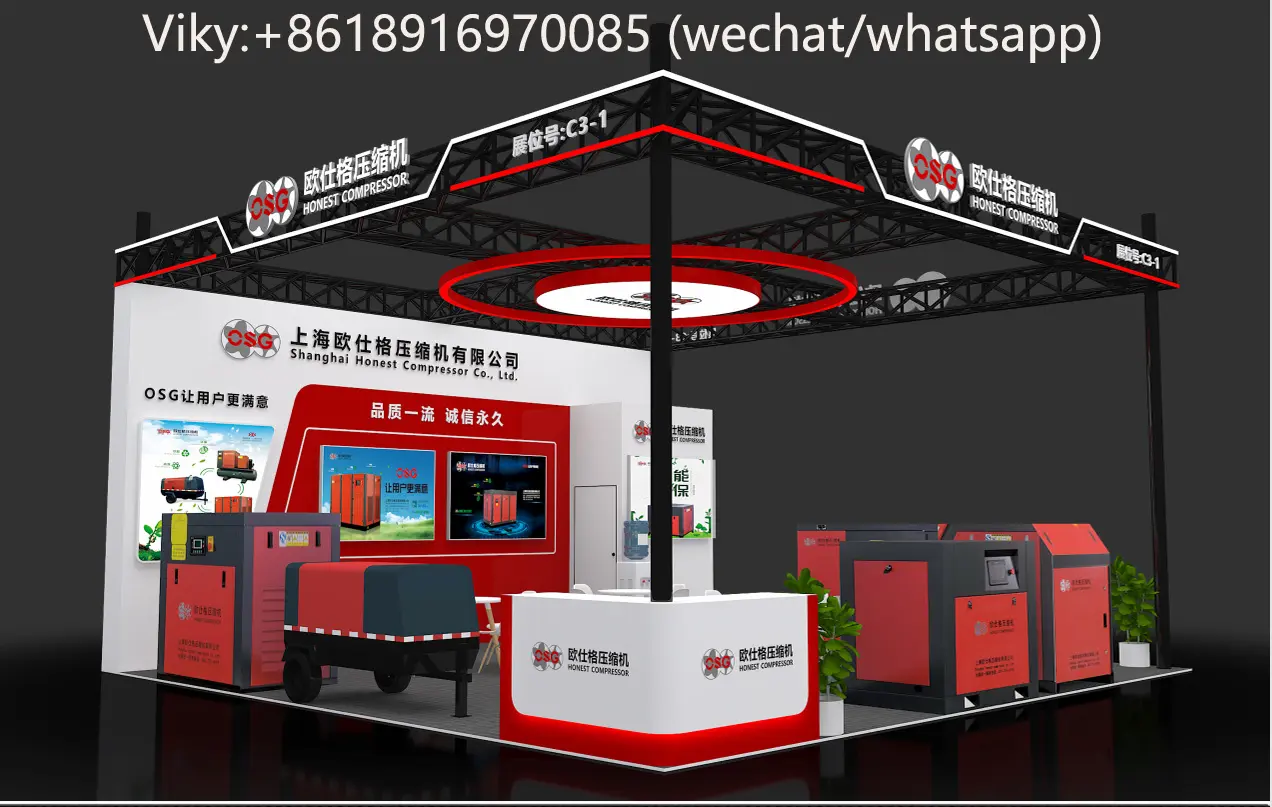
According to MRFR analysis, the dry vacuum pump market size is valued at US$ 5.97 billion in 2024. The dry vacuum pump market is expected to grow from US$ 6.17 billion in 2025 to US$ 8.28 billion in 2034, registering a stable compound annual growth rate (CAGR). This expansion is driven by the growing demand for clean and oil-free vacuum solutions across semiconductor processing, chemical handling, and advanced thin-film deposition plants globally.