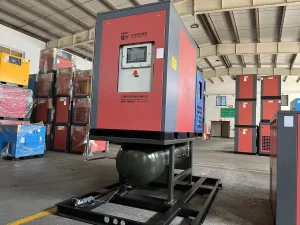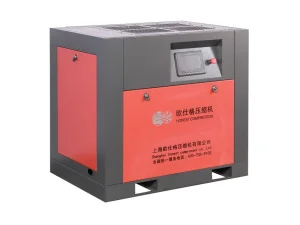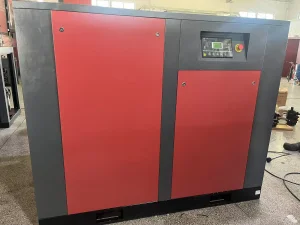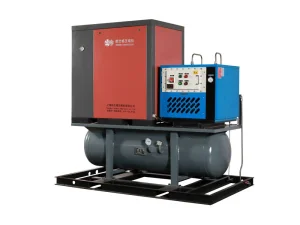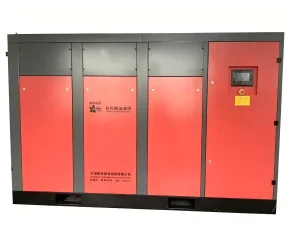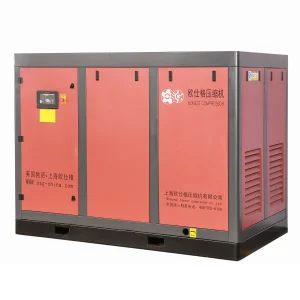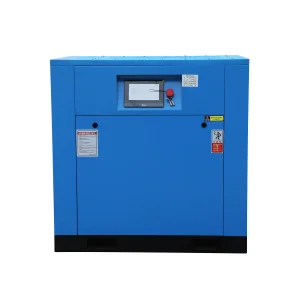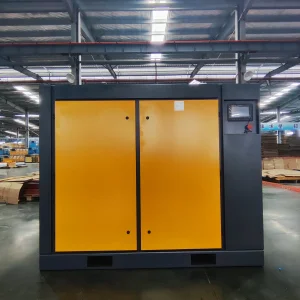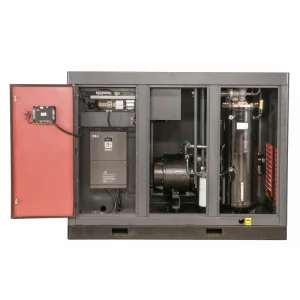

Featured OEM high-efficiency screw compressors with multi-stage cooling, intelligent VFD, and integrated drying technology.
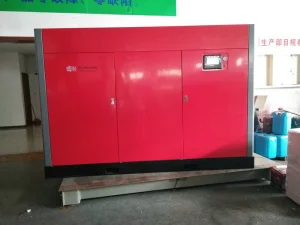
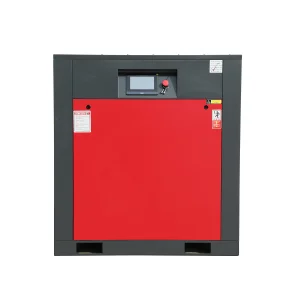
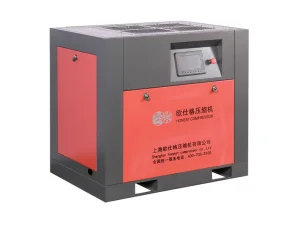
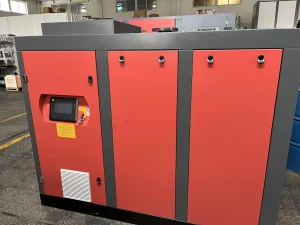
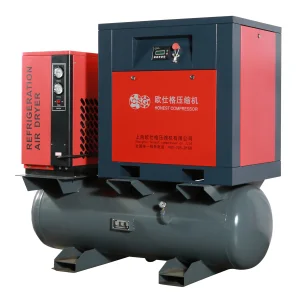
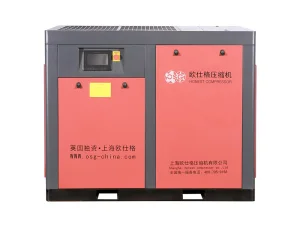
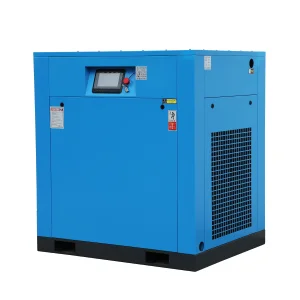
Moisture removal is not an optional accessory—it is the foundational requirement for process automation, food and medical purity, and equipment longevity.
Atmospheric air drawn by industrial compressors contains substantial water vapor. Upon compression, vapor concentration exceeds saturated absolute humidity, causing liquid precipitation. Without robust OEM industrial air dryers, acidic condensed water corrodes distribution piping, ruins solenoid valves, and washes away factory lubrication in precision pneumatic tools.
Traditional non-optimized air treatment trains create excessive internal pressure drops exceeding 0.6 bar. Every 0.1 bar of added pressure drop forces compressors to consume 0.7% more electrical power. High-efficiency plate-fin heat exchangers and zero-purge desiccant systems minimize differential pressure loss to below 0.15 bar across the entire treatment chain.
Global export markets strictly mandate compliance with ISO 8573-1:2010 particulate, water, and oil aerosol classifications. Modern pharmaceutical processing, precision electronics surface-mounting (SMT), and automotive robotic spray booths require desiccant-grade PDP (-40°C to -70°C) with guaranteed zero bacterial incubation medium.
Selecting the optimal air-drying topology depends on pressure dew point targets, ambient operating envelope, and purge energy economics.
| Drying Architecture | Achievable PDP | Purge / Power Consumption | Target Industrial Use-Case | Maintenance Lifecycle |
|---|---|---|---|---|
| Direct Expansion Refrigerated | +3°C to +7°C (ISO Class 4) | Low baseline electrical load | General shop air, pneumatic assembly, basic powder coating | Clean condenser coil monthly; annual refrigerant charge check |
| Heatless Regenerative Desiccant | -40°C to -70°C (ISO Class 1-2) | 12% to 15% purge air loss | Hazardous chemical injection, cryogenic lines, outdoor winter routing | Replace activated alumina/molecular sieve every 24-36 months |
| Blower Heated / Zero Purge Desiccant | -40°C to -70°C (ISO Class 1-2) | Zero purge loss; auxiliary heater load | Large-scale steel works, semiconductor cleanrooms, chemical plants | Blower bearings 10k hrs; desiccant bed 3-5 years |
| Integrated 4-in-1 Compact Station | +3°C (Refrigerated) | Matched variable inverter power | Laser cutting workshops, CNC machine tools, small-scale OEM lines | Automated digital PLC reminders; modular cartridge changeout |
Custom OEM skid designs calibrated for hostile climatic zones and stringent purity thresholds.
Condensation in pneumatic spray paint lines causes surface bubbling, cratering, and paint adhesion defects. Our high-efficiency refrigerated dryers paired with deep sub-micron micro-filters eliminate oil aerosols down to 0.003 mg/m³ and stabilize PDP at +3°C, reducing automotive body rework rates by up to 94%.
Medical air must remain sterile, oil-free, and moisture-deprived to prevent microbial growth. By integrating oil-free water-lubricated screw compressors with duplex desiccant dryers operating at -40°C PDP, pharmaceutical plants prevent drug container oxidation and maintain 100% compliance with FDA/GMP sanitary standards.
Modern 10kW to 30kW fiber laser heads require dry, high-pressure compressed air as an assist gas instead of costly liquid nitrogen. Liquid water droplets or oil mists instantly shatter quartz protection lenses under high-energy beams. Our integrated 4-in-1 stations ensure 16–30 bar dry, chilled, and particulate-free assist gas.
Shanghai Honest Compressor Co., Ltd. is a British-owned enterprise founded in early 2004. Located at NO. 355 Jiajian Branch Road, Malu Town, Jiading District, Shanghai, China, it is an engineering-driven manufacturing enterprise specializing in twin-screw air compressors and complete clean-air treatment systems.
We deliver comprehensive compressed gas solutions: low, medium, and high-pressure oil-free compressors, screw compressors ranging from 3KW to 480KW, refrigerant cold dryers, heated desiccant dryers, membrane gas separation systems, ceramic membrane filtration systems, and genuine OEM consumables.
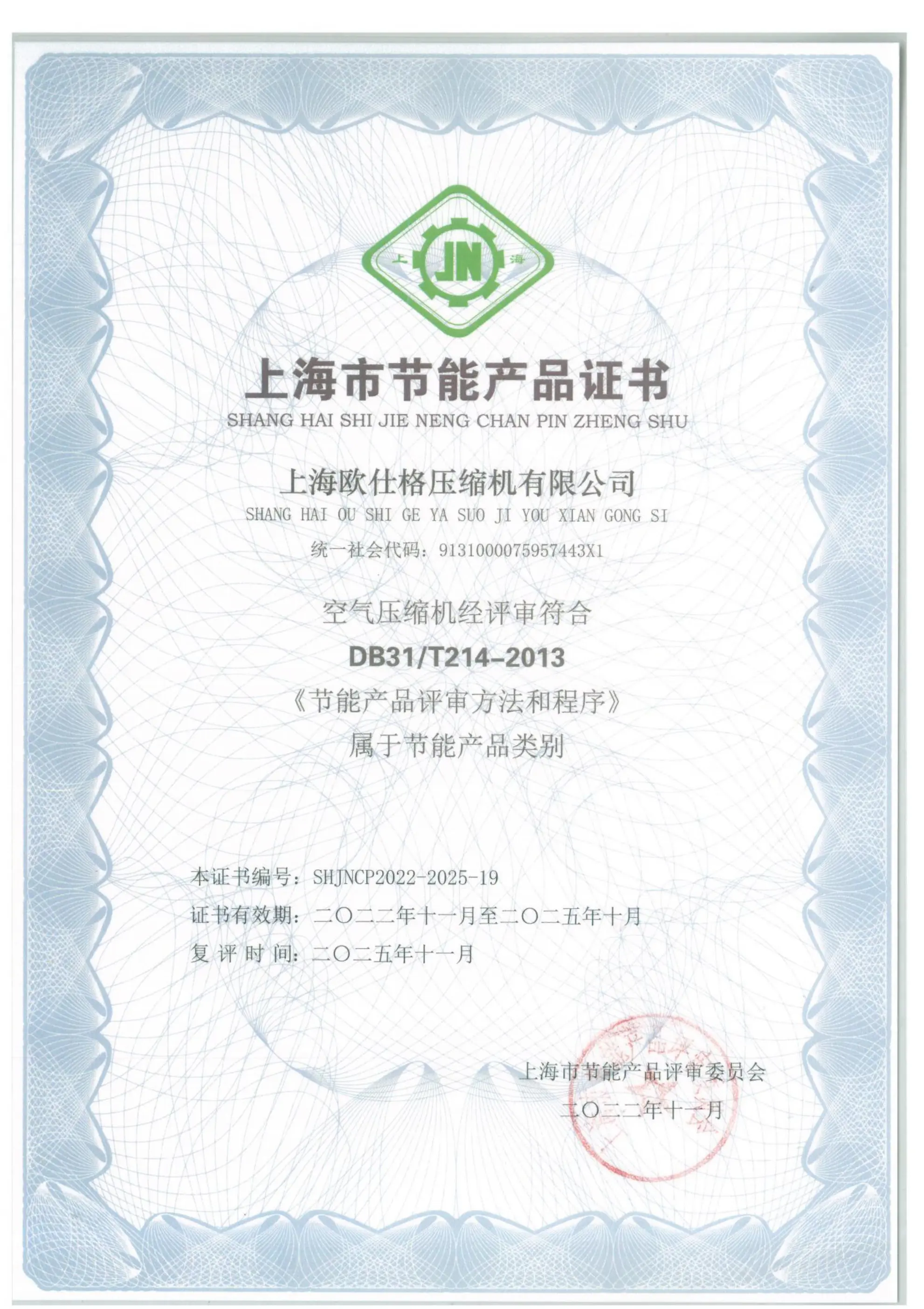
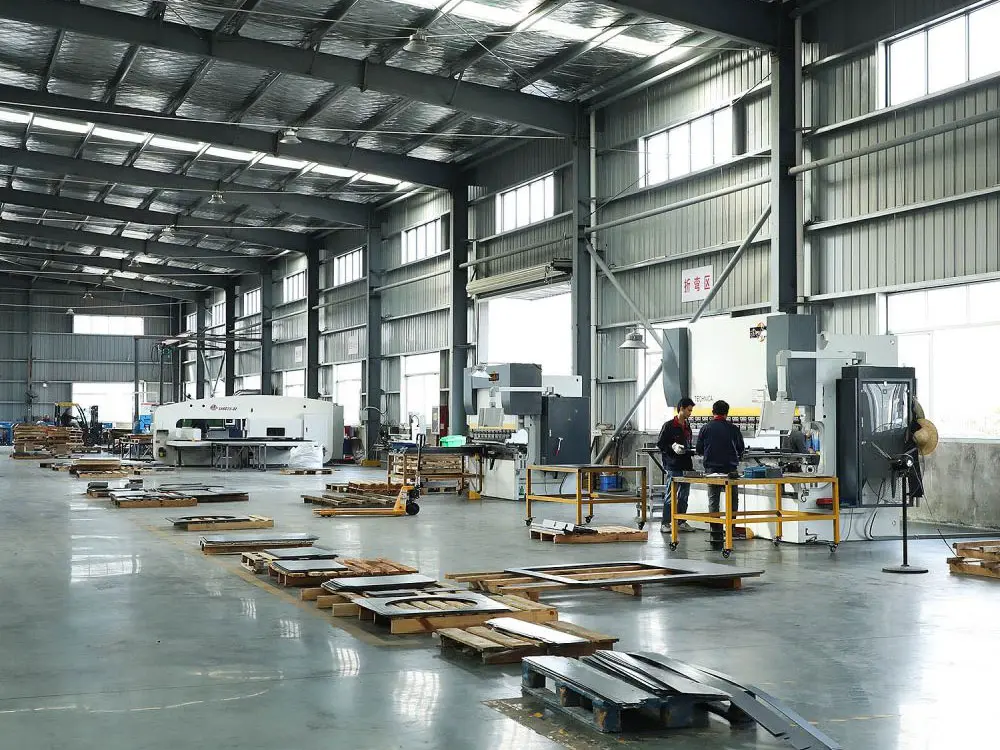
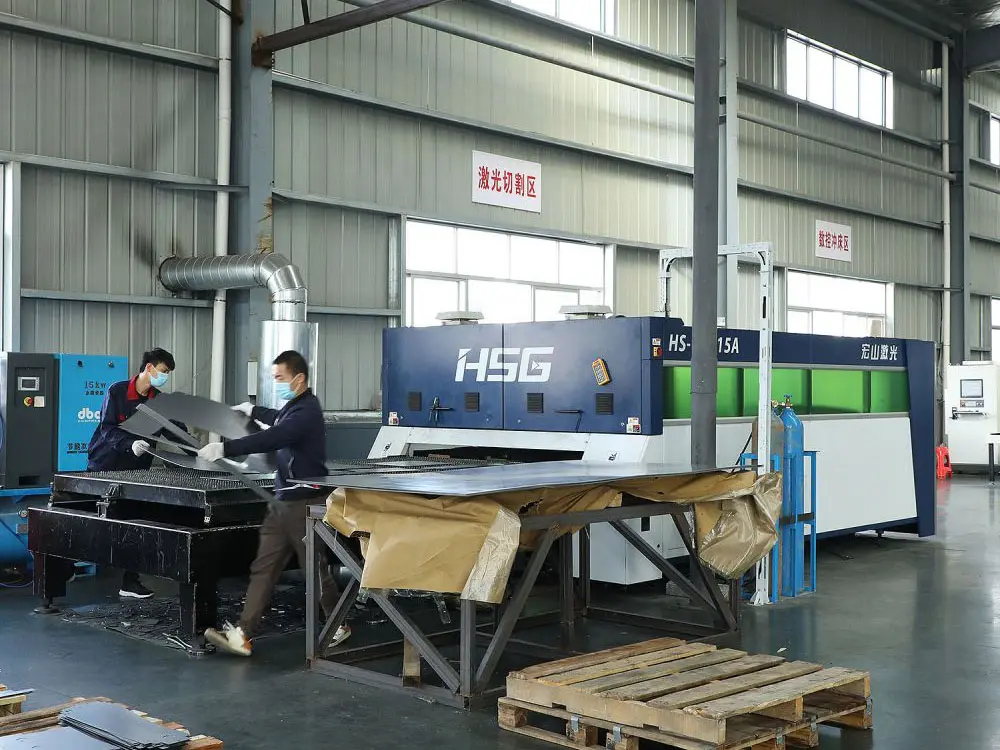
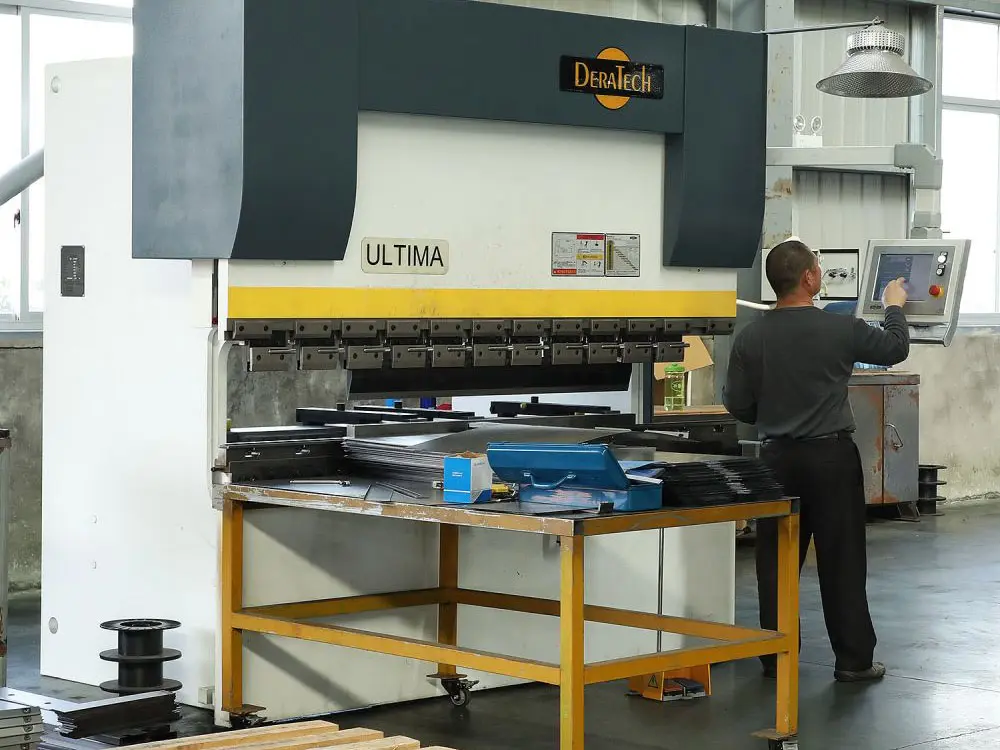
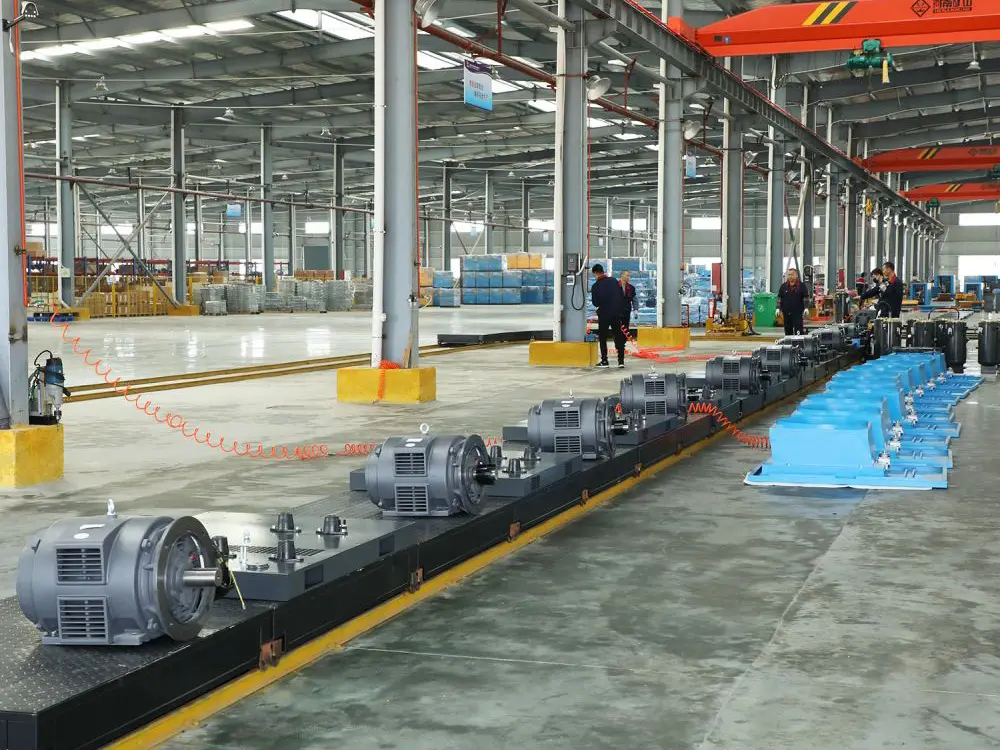
The industrial gas treatment sector is moving from passive thermal chilling to AI-driven, load-adaptive dynamic dehumidification.
Conventional twin-tower desiccant dryers cycle fixed switching valves on a rigid timer (e.g., every 5 minutes), wasting up to 15% clean purge air even under light load. Smart DDS algorithms continuously poll solid-state thin-film capacitive sensors, switching towers only when desiccant saturation occurs, reducing annual operating energy by up to 35%.
Global environmental mandates (EU F-Gas Regulation and Kigali Amendment) are phasing out R134a and R410A. Our next-generation refrigerated dryers utilize eco-compliant refrigerants like R1234ze and R513A alongside variable-speed DC inverter refrigeration compressors, guaranteeing high thermal transfer efficiency with near-zero ozone depletion potential.
Edge IoT controller modules interface via Modbus TCP, PROFINET, or 4G LTE cloud gateways to feed real-time heat exchanger temperatures, condensation differential pressures, and drain float valve cycles directly to facility SCADA platforms, predicting desiccant breakdown or evaporator icing prior to line downtime.
In-depth engineering answers addressing installation, selection metrics, and operational compliance.
Dryer sizing is calculated using correction factors: Required Dryer Capacity = Actual Free Air Delivery (F.A.D.) / (F1 × F2 × F3), where F1 is the inlet temperature factor, F2 is ambient temperature, and F3 is operating pressure. For tropical regions with 45°C ambient and 55°C air inlet temperature, standard ratings must typically be upsized by 1.35x to prevent thermal overload of the refrigeration condensing unit.
Refrigerated dryers lower air temperature via a refrigeration circuit to condense water vapor, yielding an industry-standard Pressure Dew Point (PDP) of +3°C to +7°C (ISO Class 4). Desiccant dryers route compressed air through adsorbent beds (molecular sieve or activated alumina) that chemically bind moisture vapor, achieving ultra-dry dew points of -40°C to -70°C (ISO Class 1-2).
Traditional timed solenoid drain valves blast compressed air open regardless of water level, consuming hundreds of dollars in lost power annually while occasionally clogging. Electronic zero-loss capacitive condensate drains detect liquid level without venting compressed air, optimizing air system efficiency while ensuring prompt drainage of corrosive acidic condensate.
An air dryer primarily extracts moisture. However, refrigeration cooling promotes the coalescing of sub-micron oil mists carried over from oil-flooded screws. For ISO Class 1 or Class 0 oil aerosol standards, specialized pre-filters (3 micron) and after-filters (0.01 micron plus activated carbon adsorption beds) must be paired before and after the dryer vessel.
Heavy-duty, stationary direct-drive and dual-stage modular solutions built for continuous industrial baseload operation.