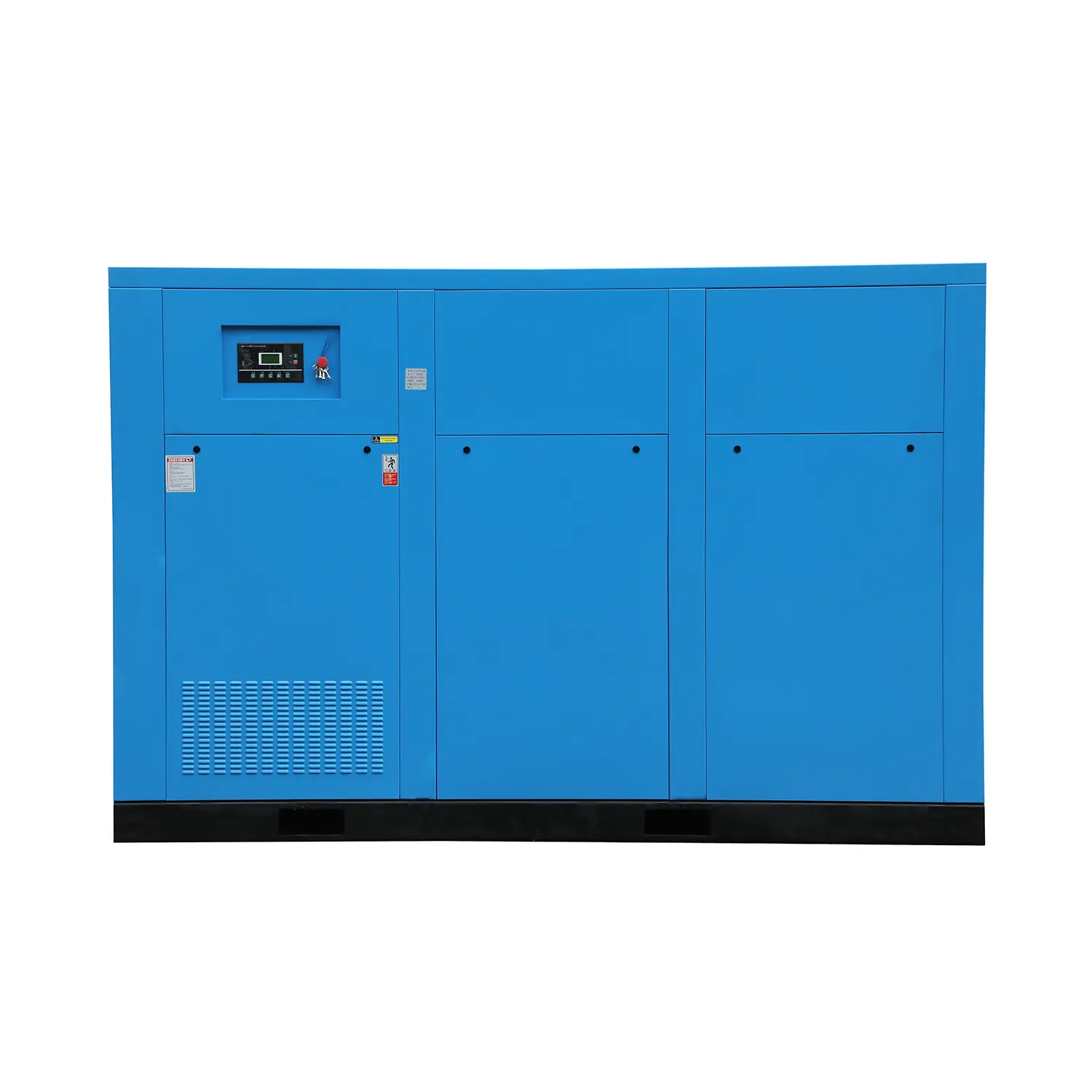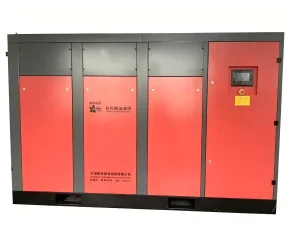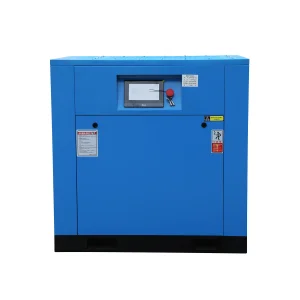
Engineered for high volumetric efficiency and optimal operation under challenging industrial environments.
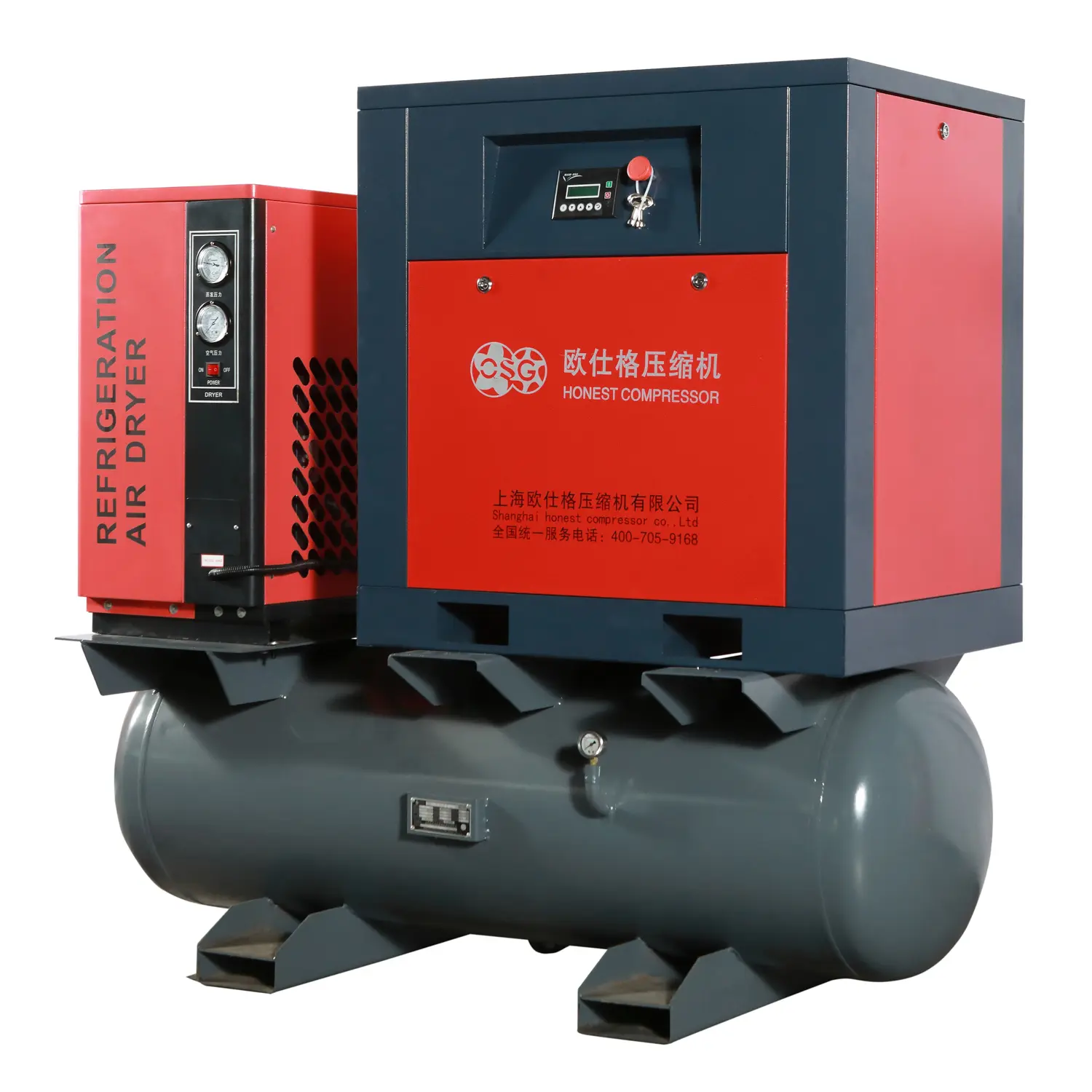
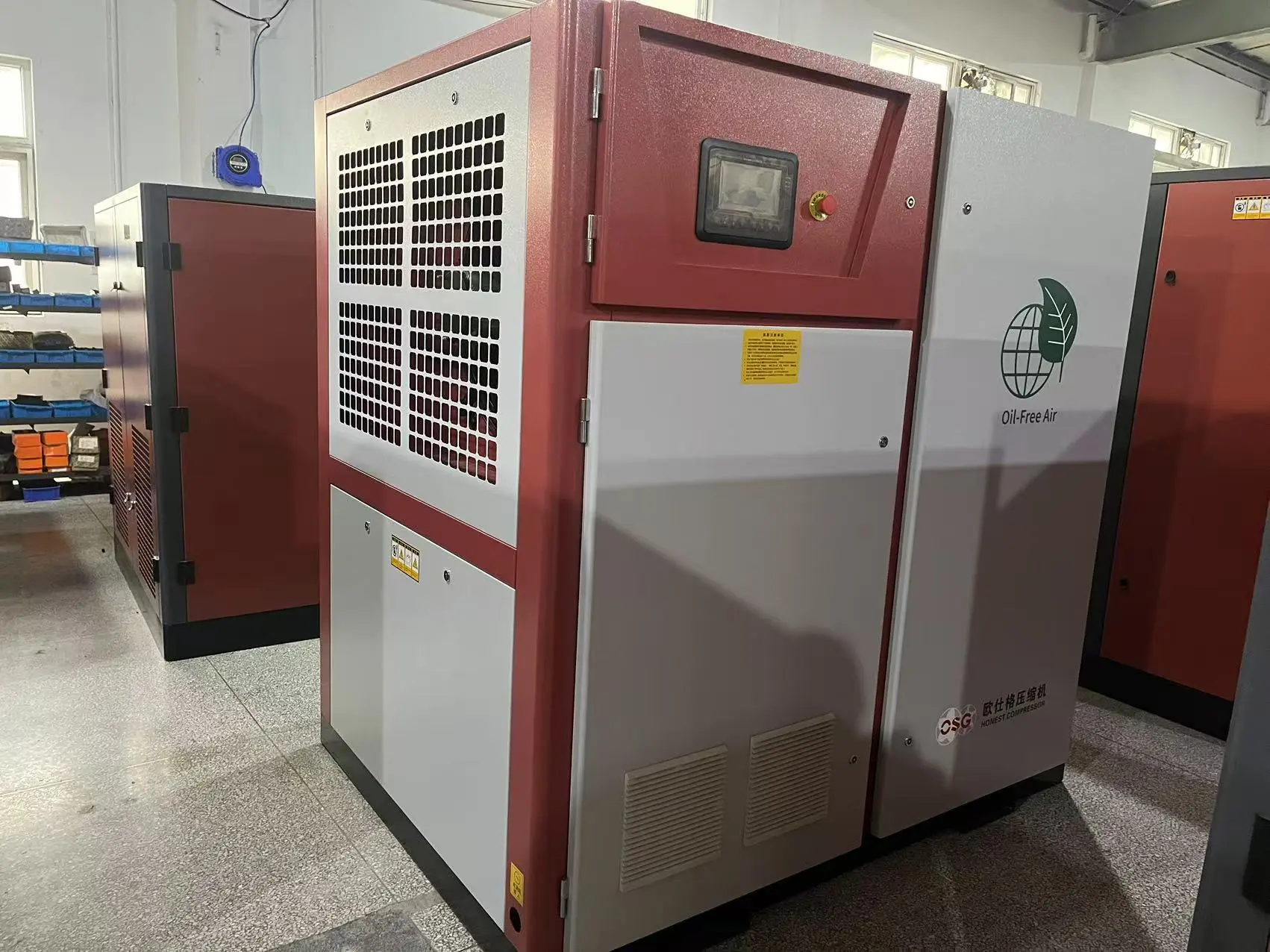
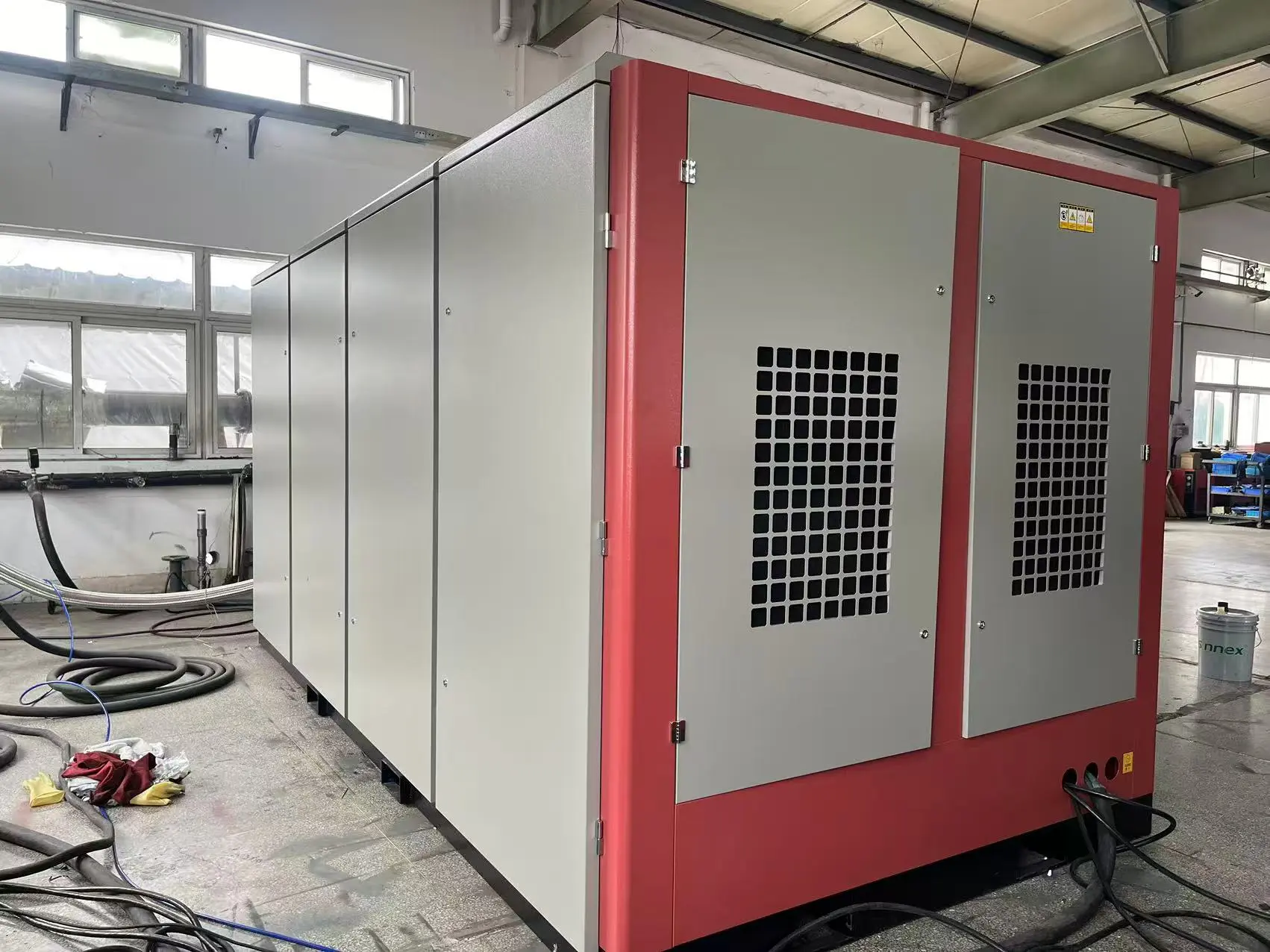
Algiers, the commercial and administrative heart of Algeria, is undergoing a profound industrial diversification. Modern industrial zones such as Rouiba, Reghaïa, Sidi Arcine, and Oued Smar are transitioning from traditional manufacturing frameworks to highly automated, energy-efficient production plants. This structural modernization is driven by national initiatives targeting the development of chemical production, food processing, pharmaceutical formulation, and downstream petrochemical processing.
In this industrial environment, screw vacuum pumps and rotary screw air compressors serve as critical utilities. Vacuum systems are indispensable for vacuum packaging, solvent recovery, reactor evacuation, and pneumatic bulk conveying. For example, the pharmaceutical formulation plants in El Harrach depend heavily on clean, oil-free vacuum lines to prevent backstreaming contaminants from entering production zones. Similarly, the refinery complexes at Sidi Arcine require explosion-proof, robust chemical-duty rotary vacuum systems that can operate continuously without mechanical failure. As Algerian manufacturers seek to increase productivity and meet strict international standards, sourcing robust machinery that minimizes operational overhead and downtime has become a key competitive requirement.
Operating industrial rotative equipment in Algiers requires careful consideration of the local climate. The region experiences a Mediterranean climate characterized by high ambient temperatures reaching up to 45°C in the dry summer months, coupled with high maritime relative humidity (often exceeding 85%) due to its proximity to the coast. Additionally, Algiers is periodically exposed to the Chergui—a dry, sand-laden wind blowing from the Sahara Desert that introduces fine abrasive silica dust into the atmosphere.
For air-cooled screw compressors and vacuum pumps, these conditions present significant thermodynamic challenges:
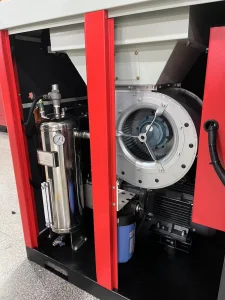
To overcome these challenges, industrial machinery serving the Algiers market must feature oversized radiator blocks, multi-stage heavy-duty air intake filtration (e.g., cyclone pre-filters), IP55 or IP66-rated electric motors with high-temperature insulation, and synthetic polyalphaolefin (PAO) lubricants engineered for thermal stability.
In global industrial procurement, buying decisions have shifted from looking only at the initial purchase price to evaluating the Total Cost of Ownership (TCO). For rotary screw compressors and vacuum systems, energy consumption accounts for approximately 70% to 80% of the total cost over a ten-year operational lifespan, while initial capital expenditure (CAPEX) and routine maintenance make up the remaining portion.
| Cost Component | Fixed-Speed Compressor (10-Year Lifecycle) | VSD Permanent Magnet Compressor (10-Year Lifecycle) | Algiers Local Advantage |
|---|---|---|---|
| Initial CAPEX | Lower initial purchase cost | Moderate premium (15–20% higher) | Amortized within 14–18 months of operation |
| Energy Consumption | High (constant motor output regardless of demand) | Optimized (motor speed matches dynamic air demand) | Reduces electricity bills in Algiers industrial zones |
| Maintenance Overhead | Standard parts replacement cycles | Lower wear and tear due to soft-starting | Mitigates down-time caused by electrical grid surges |
| Carbon Footprint | Baseline carbon emissions | Reduced by 30% to 35% | Aligns with Algeria’s industrial decarbonization goals |
In Algiers, where industrial electricity tariffs are structured to penalize low power factors, installing Variable Speed Drive (VSD) compressors using permanent magnet (PM) synchronous motors is highly cost-effective. VSD systems adjust their operational speed in real-time to match the process's demand, preventing energy losses during unloaded operation. This dynamic control reduces peak starting currents, protecting the system from local power grid fluctuations.
China's Factory 4.0 integration represents a major advancement in the production of high-end rotative machinery. Modern Chinese manufacturing plants utilize automated CNC grinding centers, robotic welding cells, and digital quality monitoring to produce screw rotors and vacuum pumps with precise mechanical tolerances. This level of quality control ensures optimal clearances between screw profiles, reducing internal slip and maximizing volumetric output.
Furthermore, China’s industrial supply chain is highly resilient. Vertical integration—where raw foundry castings, precision machining, motor winding, and electrical assembly occur within close geographic networks—helps insulate manufacturing operations from global supply chain disruptions. This structural advantage allows for customizable engineering modifications. For instance, air compressors can be equipped with custom-engineered tropicalized radiators or specialized multi-stage filtration systems designed for Algiers' desert dust conditions, without causing extended production delays.
When selecting vacuum systems for industrial plants in Algiers, engineers typically evaluate two primary technologies: oil-lubricated rotary vane systems and dry rotary screw systems. Each technology offers distinct thermodynamic and mechanical characteristics:
Rotary vane systems utilize oil injection to seal the compression chamber and lubricate the sliding vanes. They excel at producing high ultimate vacuums (up to 0.1 mbar) in single-stage configurations and are well-suited for clean, non-corrosive gas handling. However, because the vanes make direct sliding contact with the stator housing, they are subject to continuous friction and wear, requiring frequent replacement of vanes and oil filters. If process gases contain solvent vapors, these can condense into the sealing oil, degrading its viscosity and reducing vacuum performance.
Dry screw vacuum pumps feature two intermeshing, counter-rotating rotors that do not contact each other or the pump housing. The lack of internal friction eliminates the need for lubricating fluids in the compression chamber, ensuring a completely oil-free discharge and preventing the risk of oil backstreaming into the process. The absence of wearing components in the compression chamber makes dry screw systems highly reliable, even when handling aggressive or vapor-heavy process gases. While dry screw pumps have a higher initial cost, they offer significantly lower maintenance expenses, longer service life, and stable performance in demanding pharmaceutical, chemical, and industrial applications.
A comprehensive range of dry oil-free and energy-saving permanent magnet compressors, engineered for industrial utility networks.
The manufacture of active pharmaceutical ingredients (APIs) and dry powder formulations requires deep vacuum levels to dry heat-sensitive compounds without thermal degradation. Our dry screw vacuum pumps run without sealing oils in the compression chamber, ensuring that no oil vapor backstreams into the sterile drying chamber. This design helps pharmaceutical plants maintain clean-room integrity and comply with international sanitary and quality standards.
Hydrocarbon refining and storage facilities generate volatile organic vapors that must be captured to prevent atmospheric emissions. Because dry screw vacuum pumps operate without metal-to-metal contact in the compression chamber, they minimize internal friction heat. When equipped with flameproof motors and specialized coatings, these pumps can safely handle hazardous, explosive gas mixtures.
Handling and transporting cement, gypsum, and raw chemical powders requires high-volume pneumatic conveying systems. Standard blower units often suffer from accelerated rotor wear due to ambient dust. Our low-noise, oil-free screw blowers are built with heavy-duty dual-stage filtration and hardened rotor surfaces to withstand abrasive, sand-laden coastal environments, ensuring continuous port logistics operations.
Founded in early 2004, Shanghai Honest Compressor Co., Ltd. is a British-owned manufacturing enterprise. Our main manufacturing facility is located at NO. 355 Jiajian Branch Road, Malu Town, Jiading District, Shanghai, China. As a major supplier of air system solutions, we specialize in the engineering and production of twin-screw air compressors, dry vacuum pumps, and auxiliary air treatment equipment.
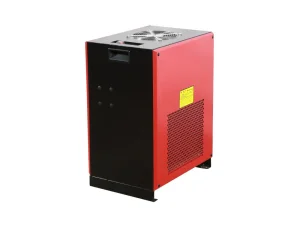
Our product portfolio ranges from 3KW to 480KW and includes rotary screw compressors, gas separation equipment, refrigerant compressors, refrigerated air dryers, inline filtration systems, and ceramic membrane filtration systems. We provide technical support and customized equipment configurations to help international industrial operators reduce downtime and optimize energy efficiency.
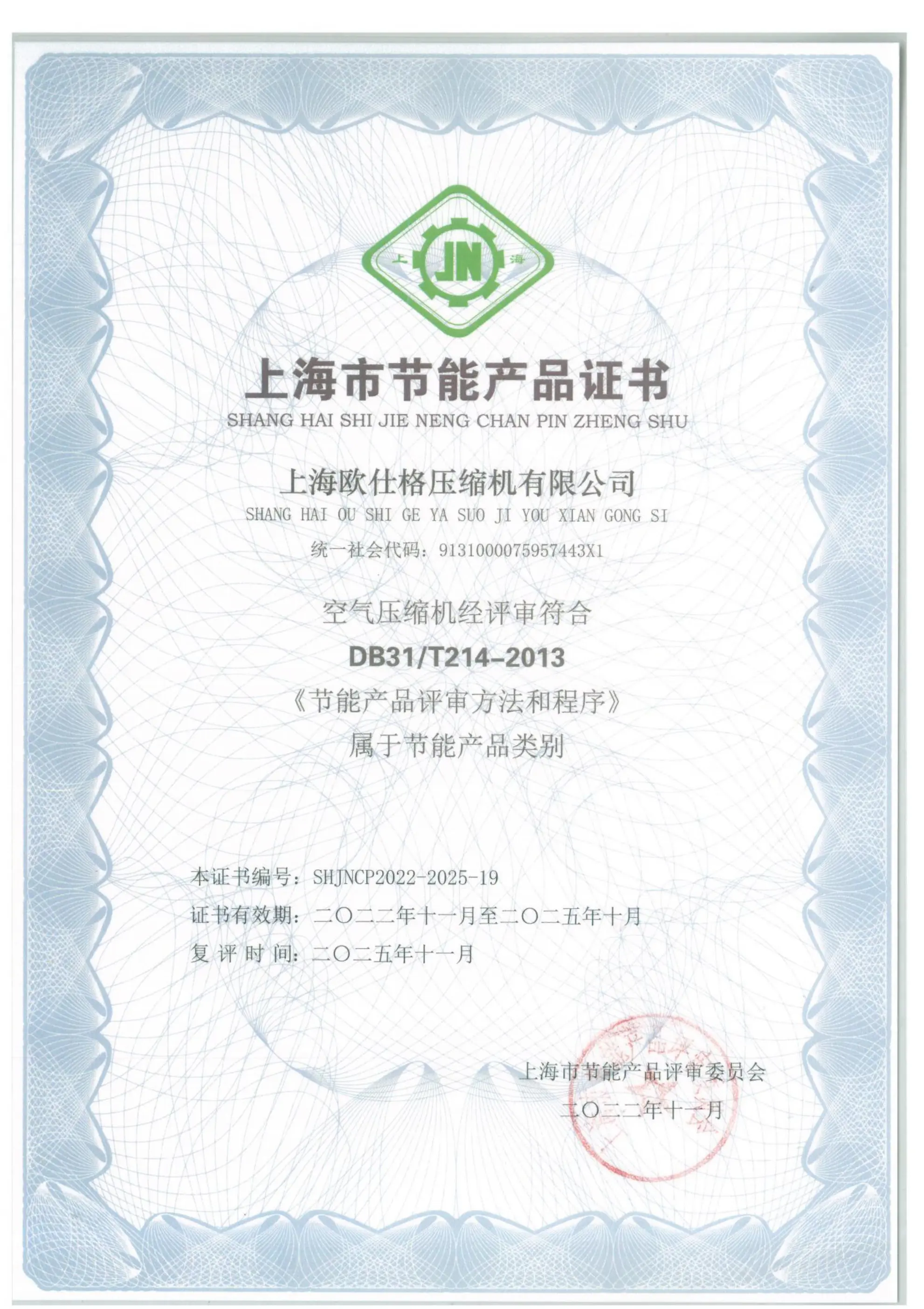
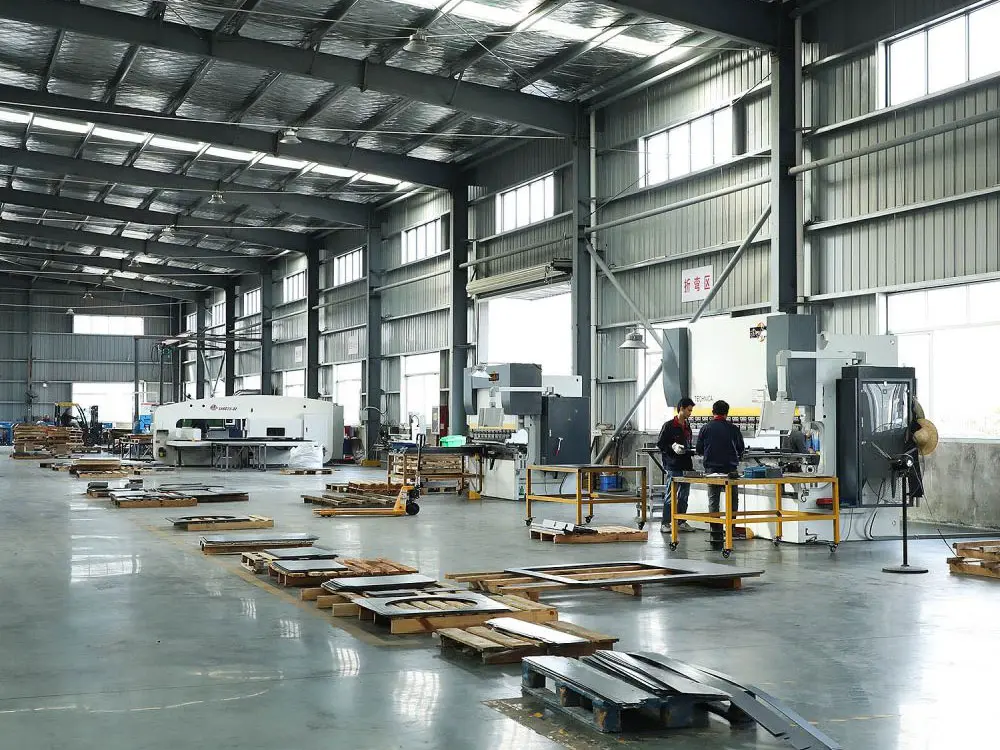
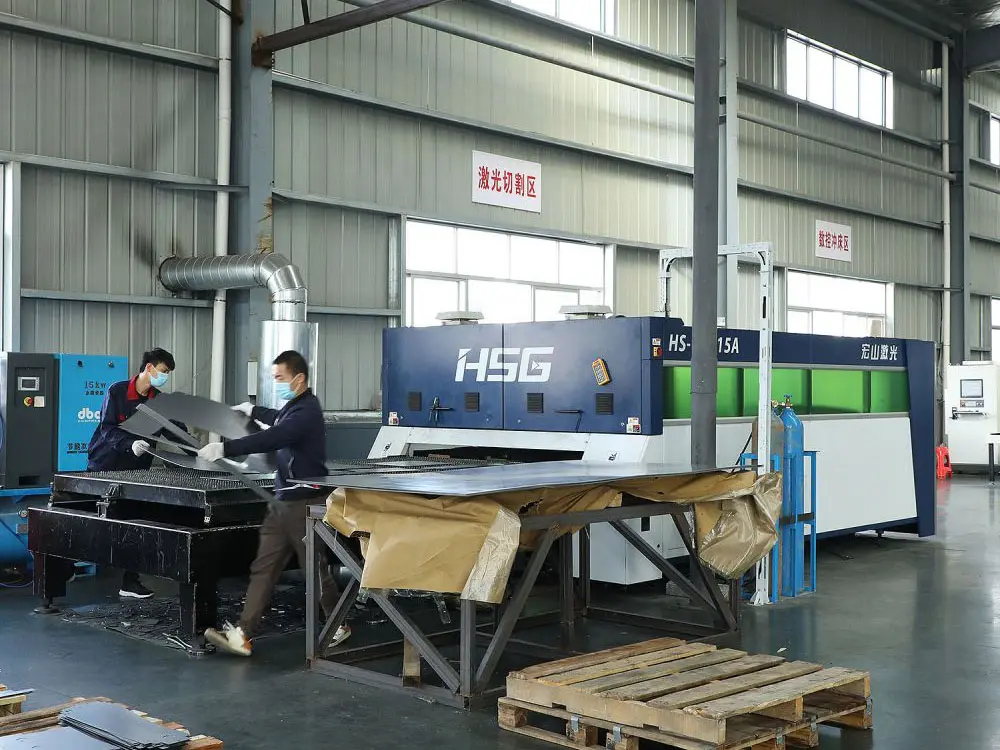
Dry Vacuum Pump Market Size, Growth, Trends and Report 2034: According to MRFR analysis, the dry vacuum pump market size is valued at US$ 5.97 billion in 2024. The dry vacuum pump market is expected to grow from US$ 6.17 billion in 2025 to US$ 8.28 billion in 2034, registering steady global expansion as chemical, electronics, and food processing industries transition to clean, oil-free vacuum environments. We continue to showcase our latest technologies at international industrial fairs, demonstrating new developments in VSD control and high-performance anti-corrosive coatings for aggressive operating conditions.
Get answers to common technical questions about installing and running screw compressors and vacuum pumps in the Algiers region.